Thurs 21st – Sun 24th May
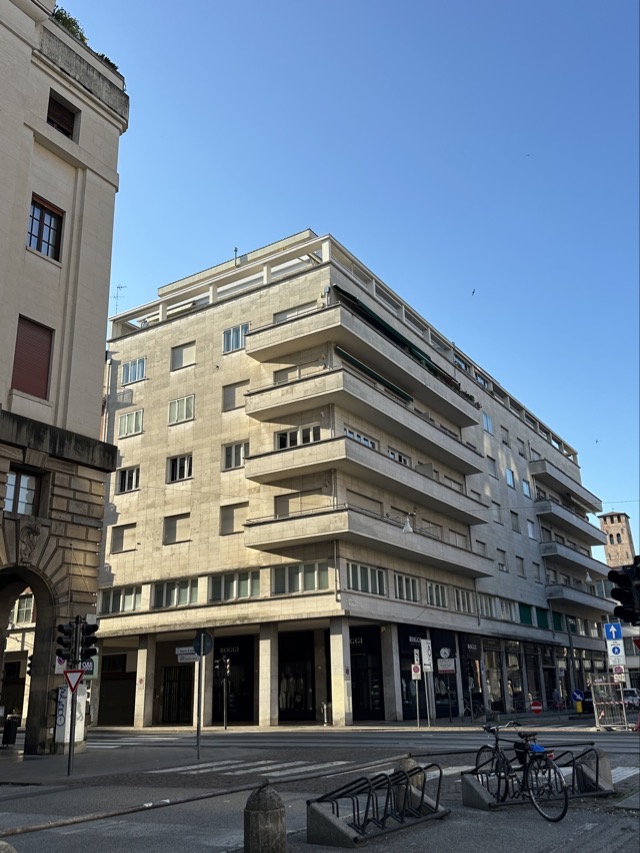
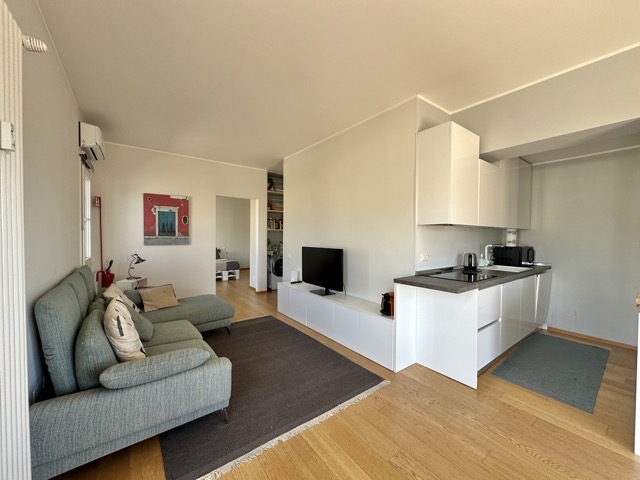
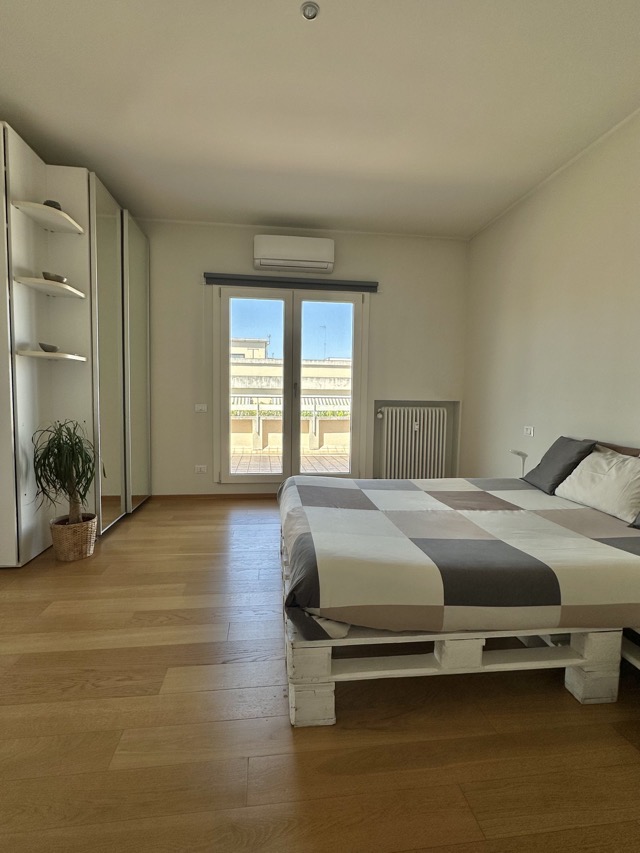
Accommodation: The View: booked through AirBnB.
Thurs 21st May
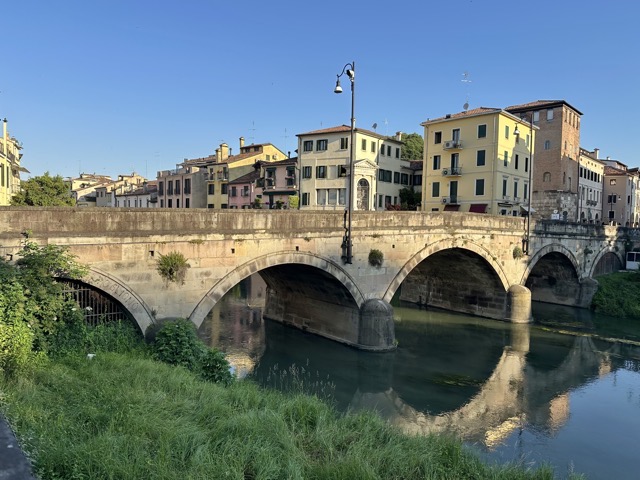
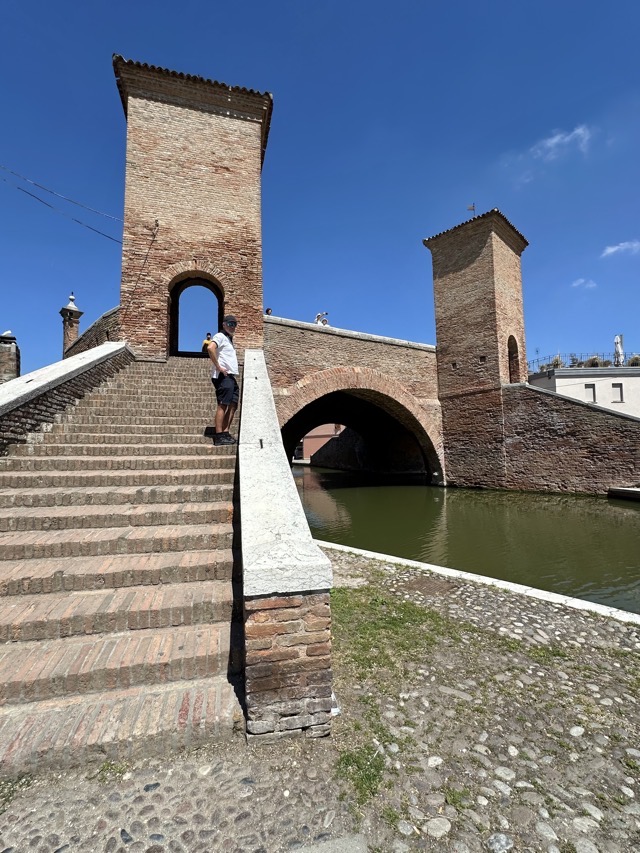
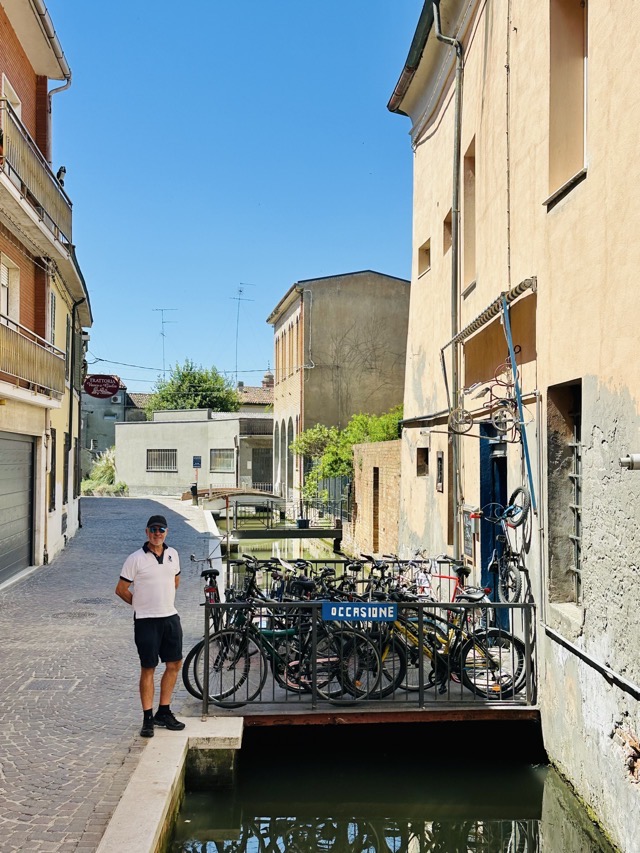
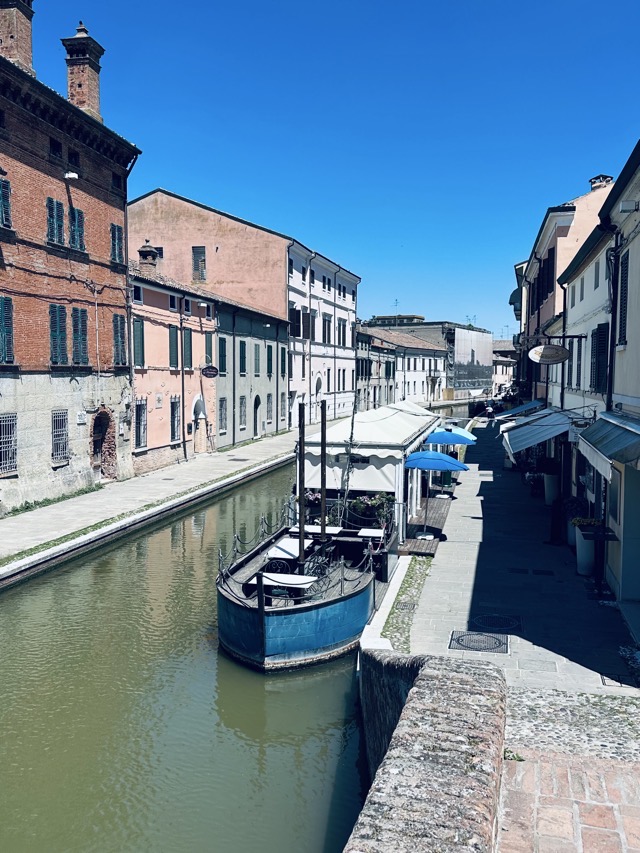
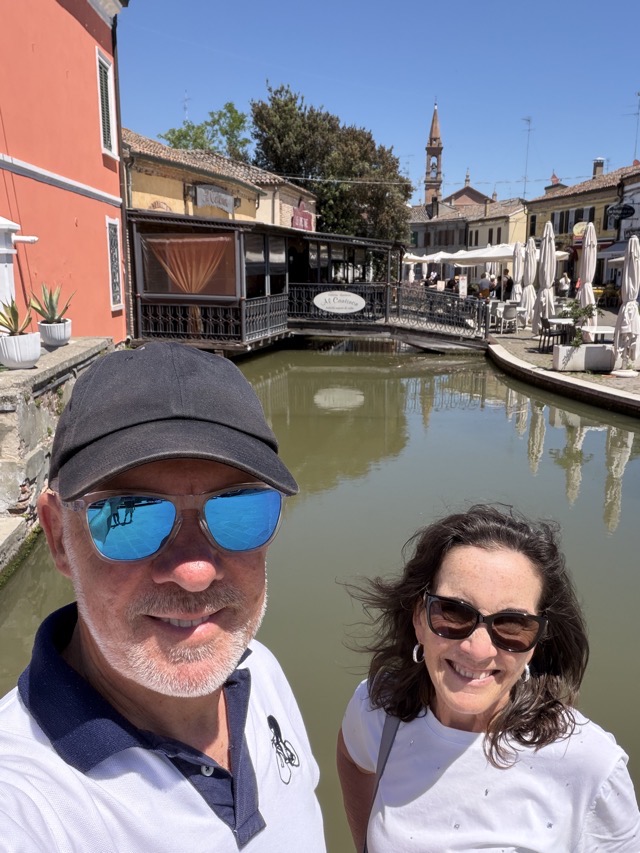
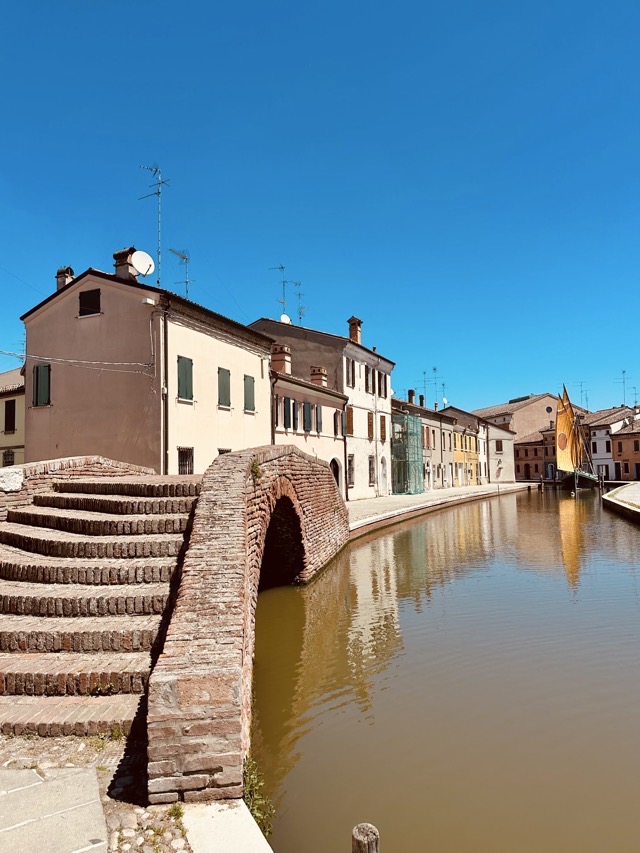
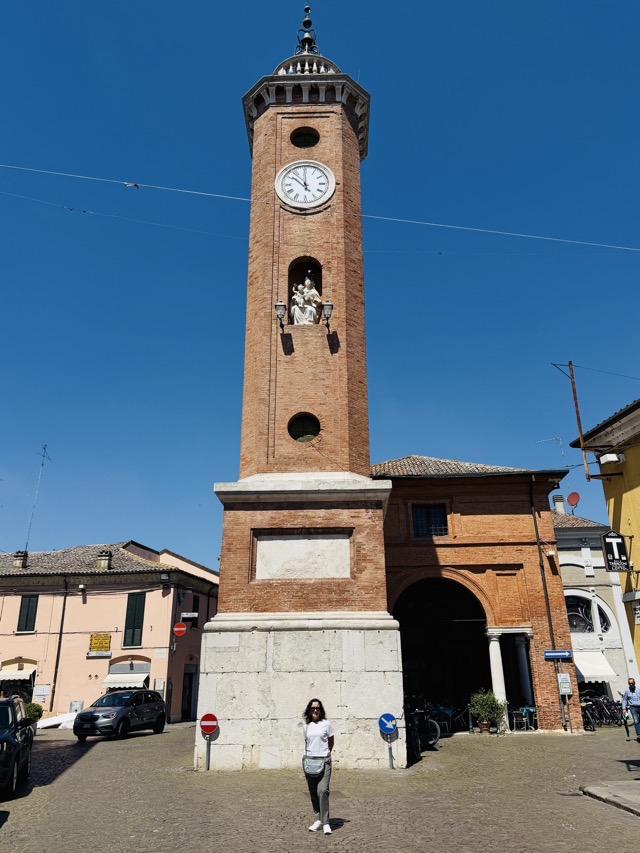
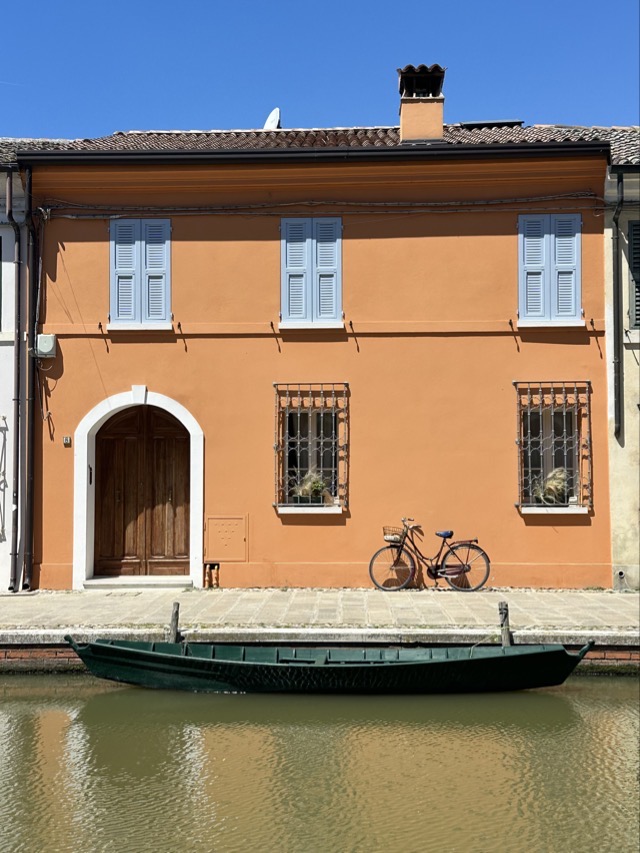
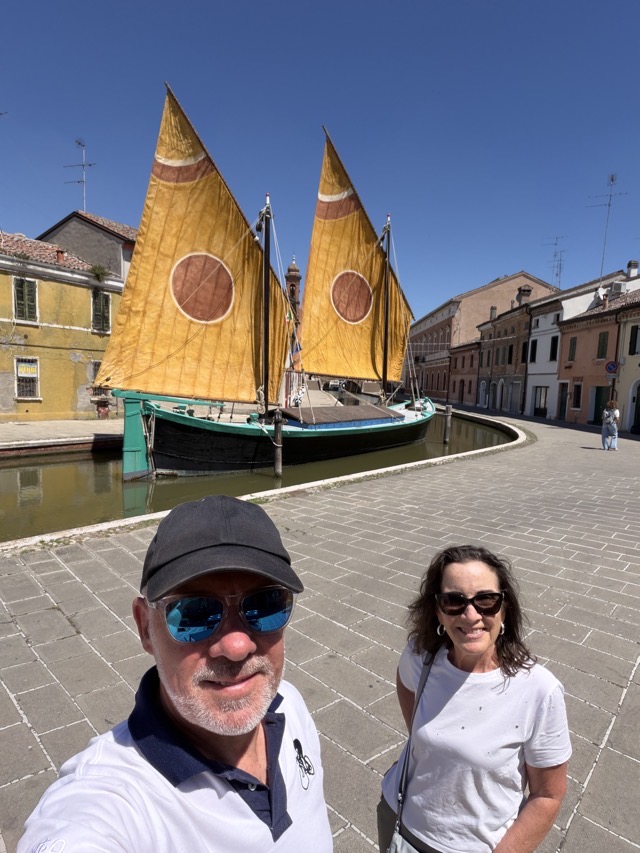
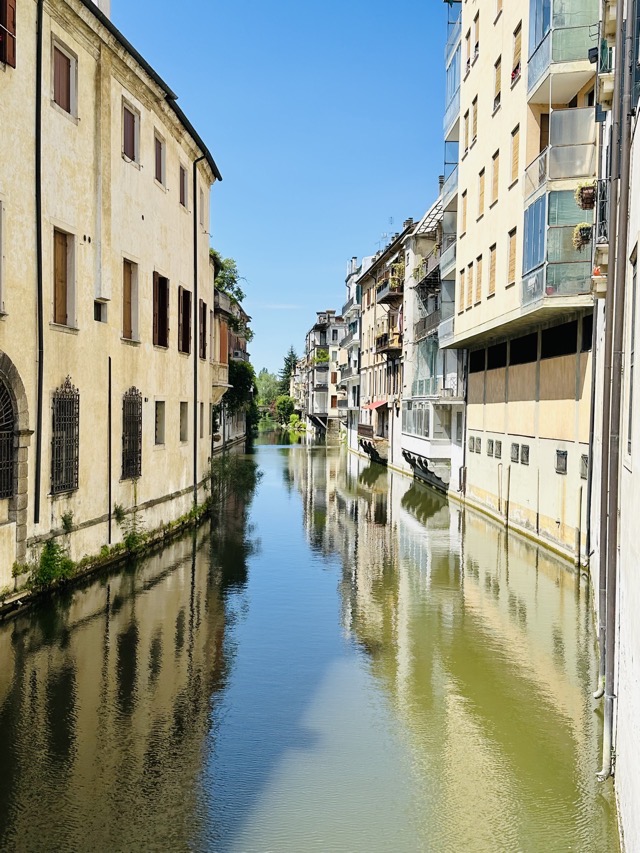
It was another glorious morning and excellent weather for our 4 hr drive up to Padova (Padua). We left San Marino after breakfast and only made one stop along the way and this was at the halfway mark for a coffee at Comacchio. Comacchio is also know as ‘little Venice’, due to the presence of canals the weave through the town cross crossed by medieval bridges. It was pretty place to stop for an hour and we strolled some of the canals.
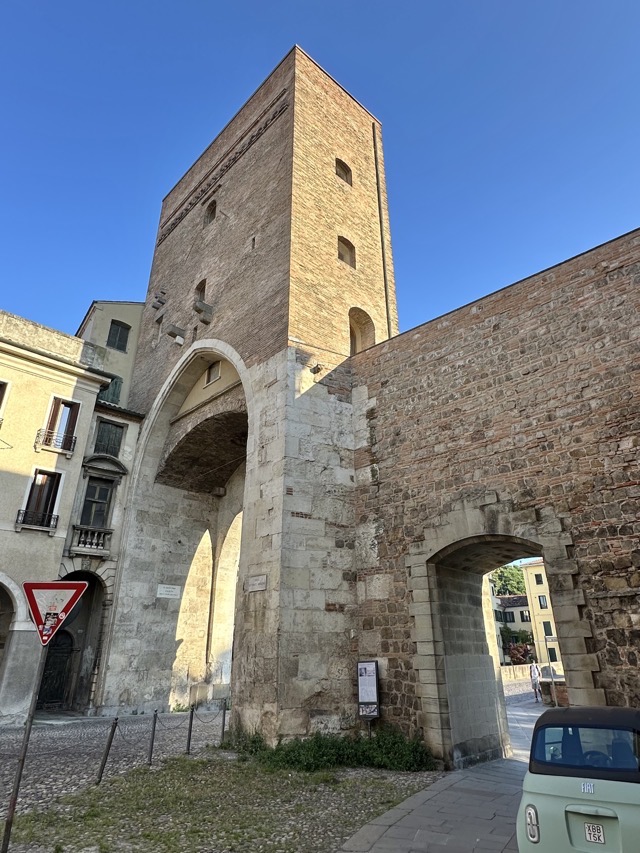
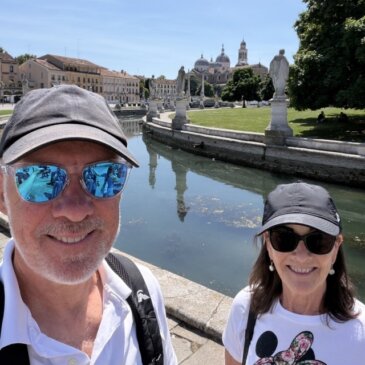
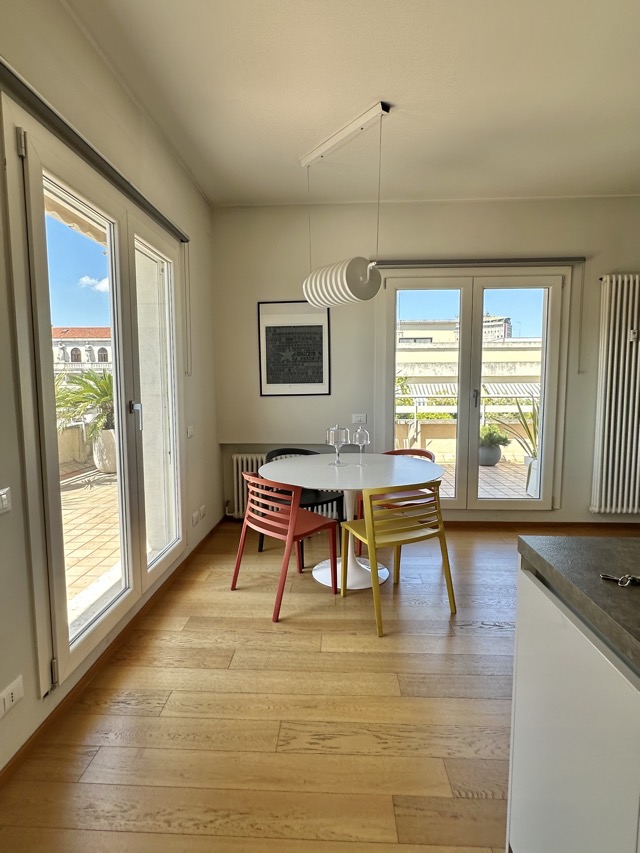
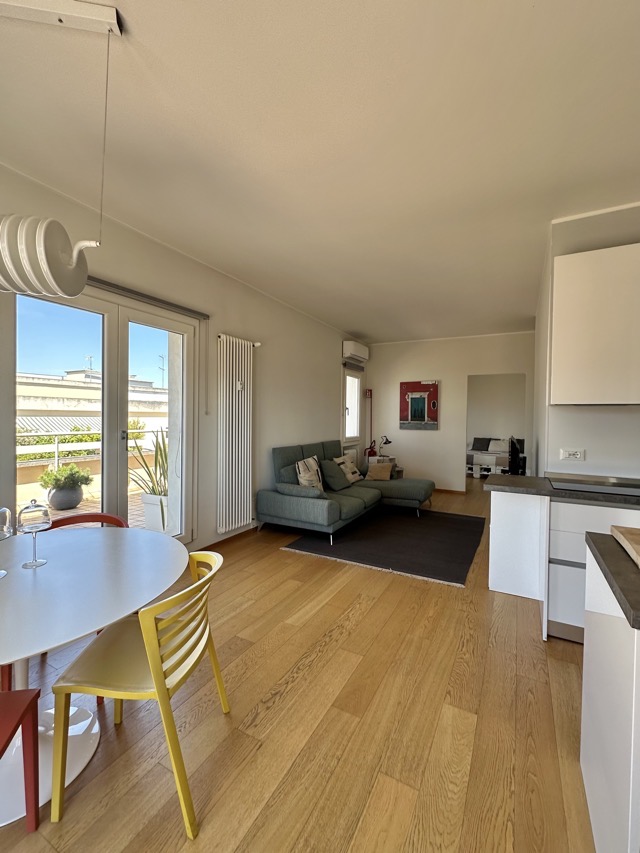
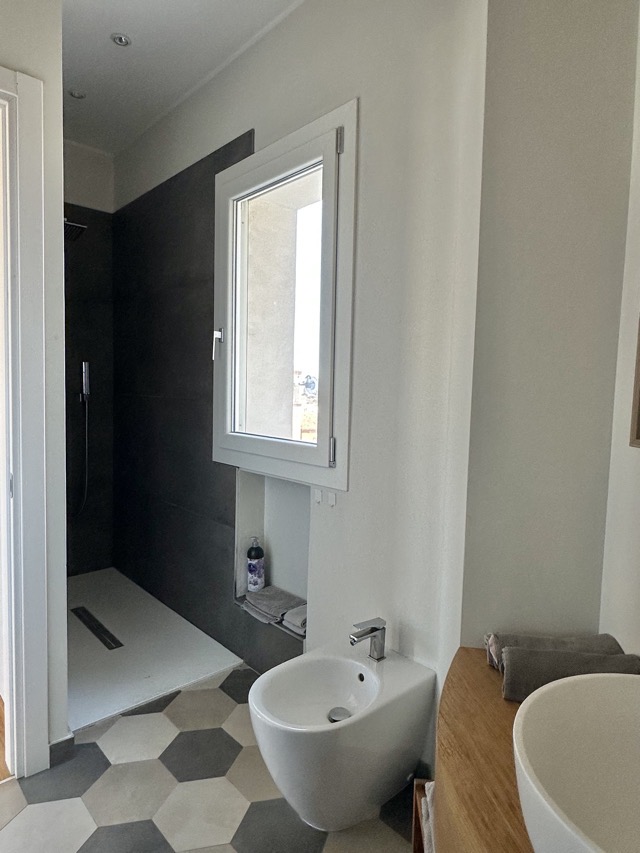
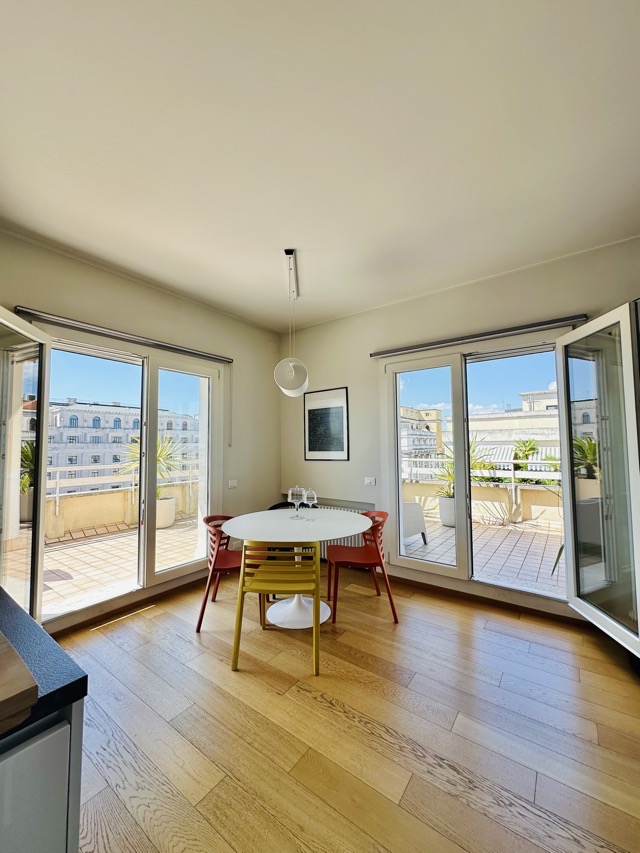
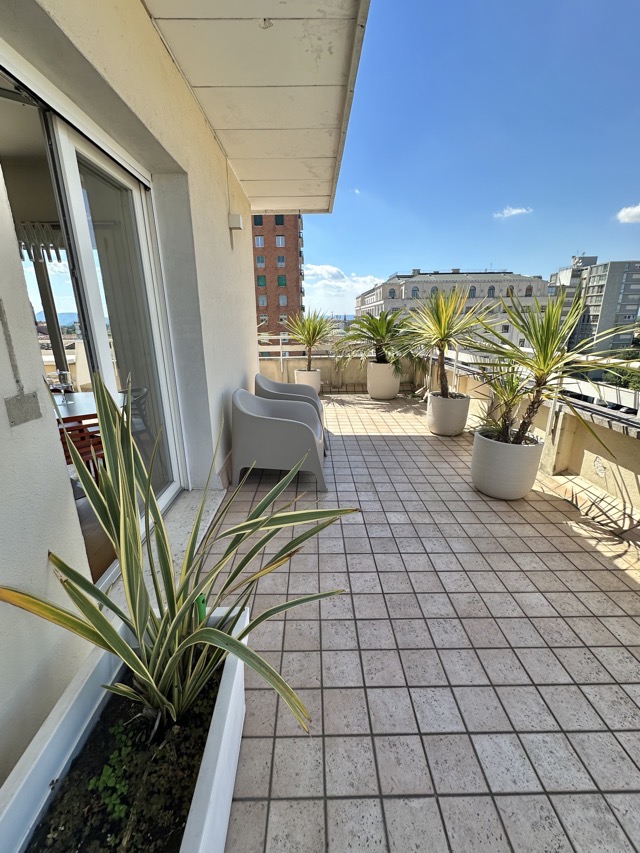
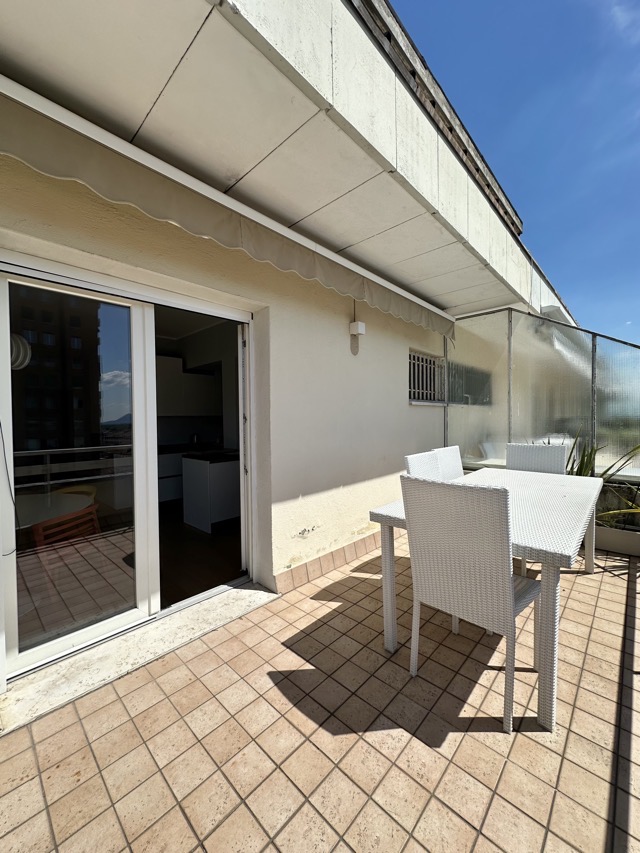
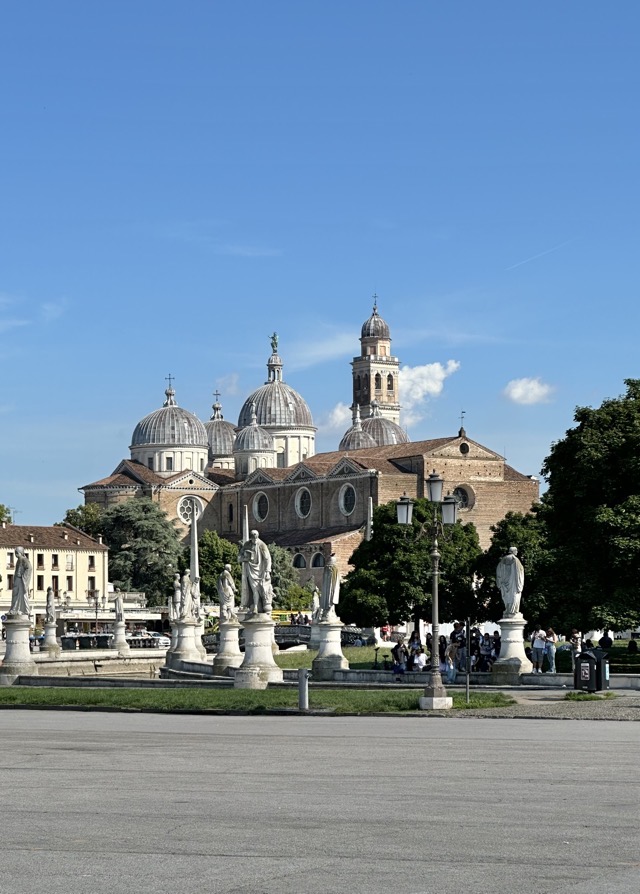
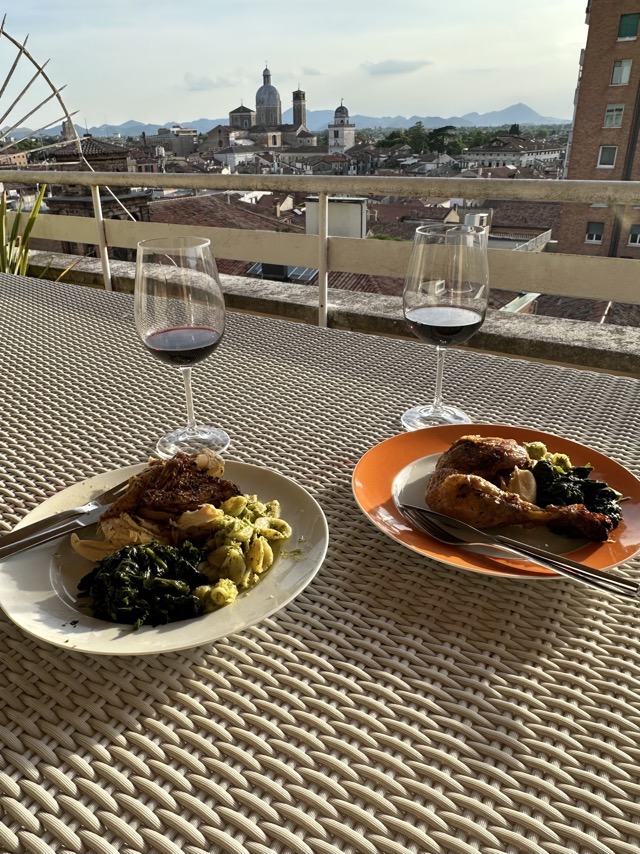
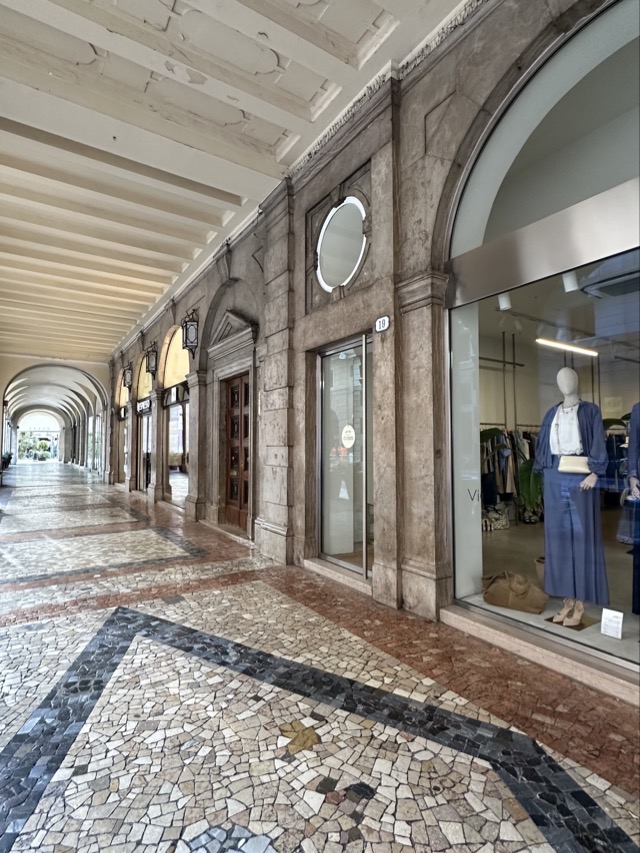
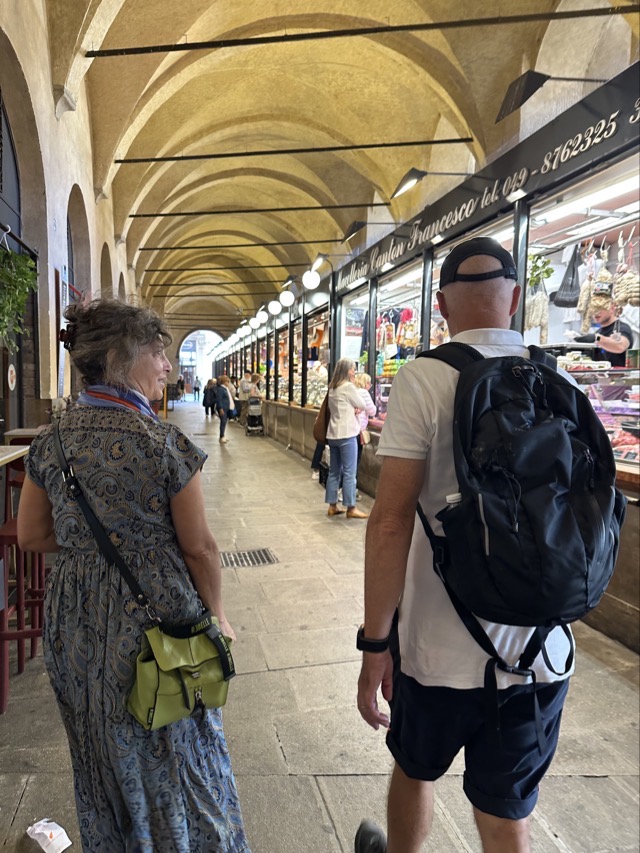
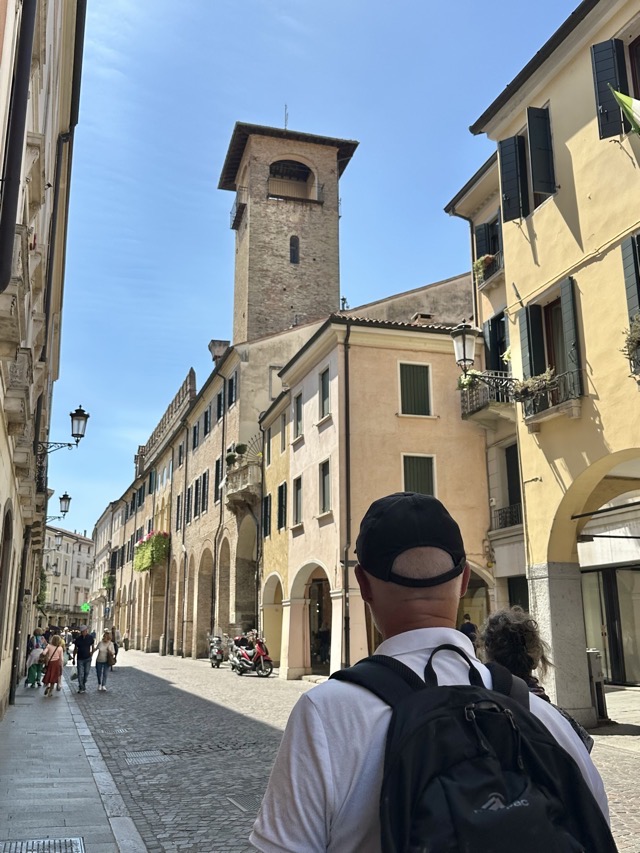
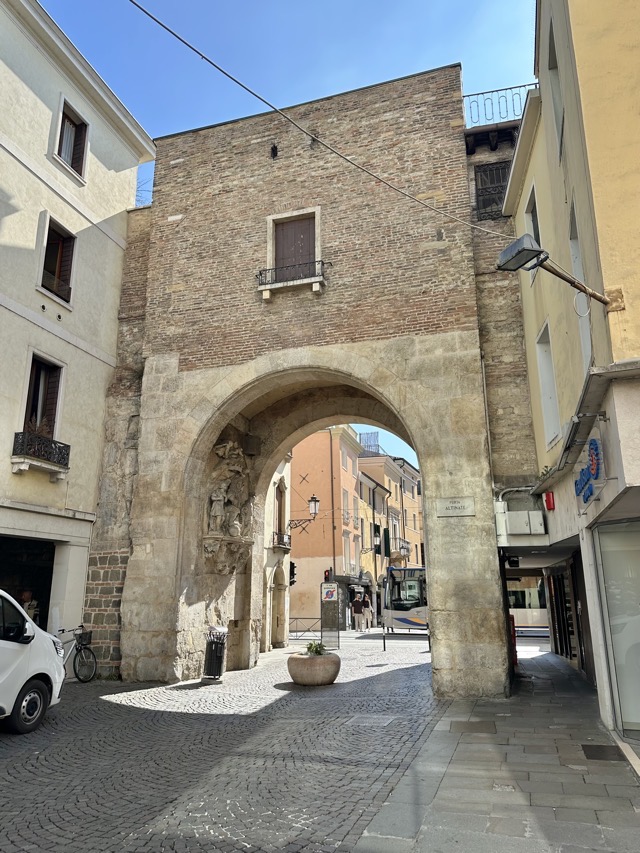
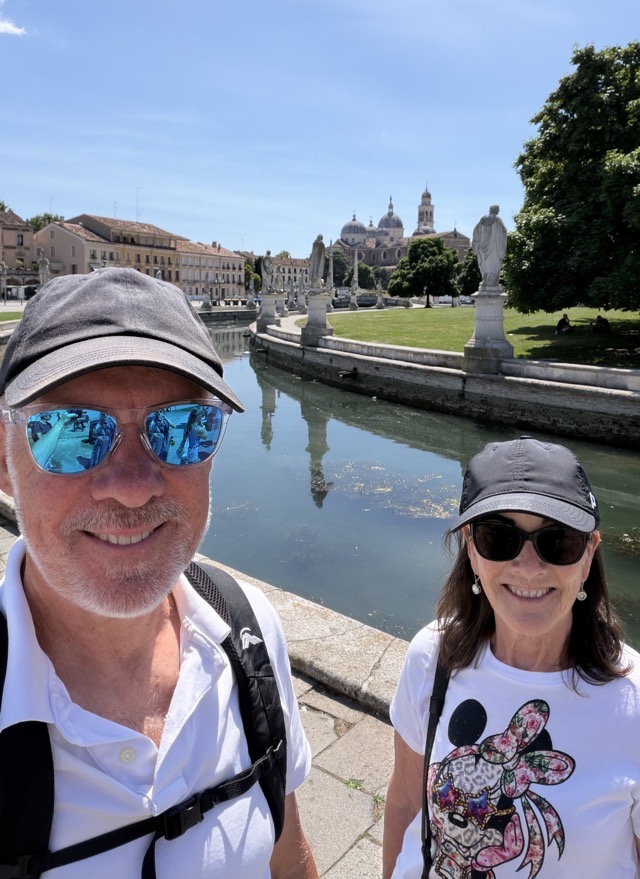
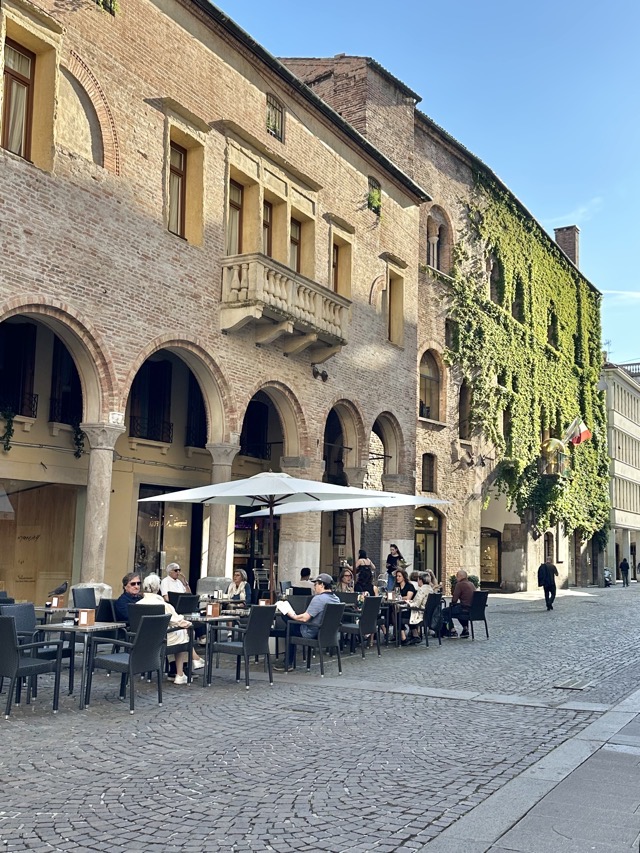
It was 2:30pm by the time we made it to Padova and to check in at our apartment and we found this to be a lovely large and light filled space That would do us very nicely for the next three nights. We didn’t go there for too long ago and we had it out to grab a bite to eat, to check out Prato della Valle and source some groceries. We’ve been here less than three hours, but already I was in love with Padova. We were located on the edge of the old town and strolling the narrow mediaeval lanes was just delightful. Many were lined with beautifully detailed porticos, like you find in Bologna and Turin, and the place was throbbing with people wandering along the lanes and relaxing at the numerous bars and cafes. The shops were inviting as well with many beautiful independent boutiques in the porticoes offering stylish clothing that was also being worn by those around us. The place was just an absolute feast for all the senses. The city is home to one of the oldest universities in the world (1222) and the number of young people filling the streets was an indication of this. It was clear that we’d struck aperitivo hour on our walk back to the apartment and it was good to be back in a busy and thriving community and is such a beautiful setting. We were both exhausted after our day of travel and exploring so spent the night dining in at the apartment.
Fri 22nd May
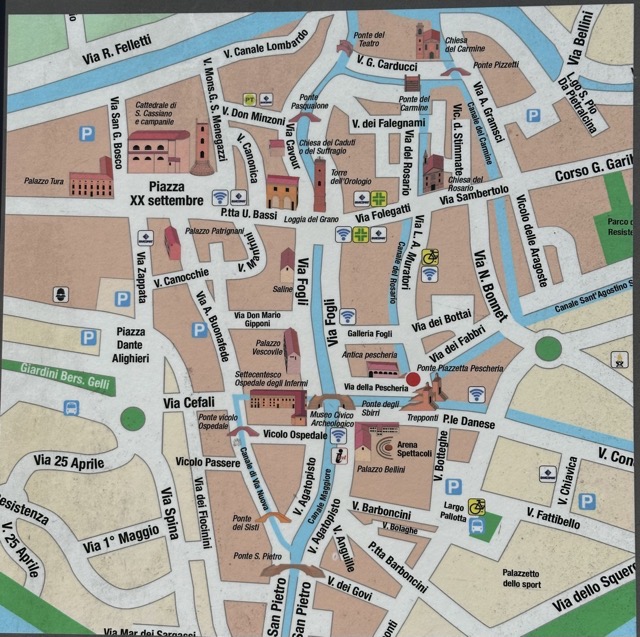
Our main activity for today was a 2hr 45’ walking tour of Padova which was excellent. Our guide, Louisa, was a native of Padua and very knowledgeable and took our small group of 6 around the city describing points of interest and giving us just some of the key points of history as to do otherwise would take too long as their history is lengthy and very detailed; civilization in Padua dates back to 11th century BC! Much of the history she discussed with us made reference to the impact of the Venetians as Padua was under the control of the Republic of Venice for 392 years (from 1405 until 1797). Which was some irony I thought as Venice was originally formed / populated by Paduans escaping invasion as they sought an area of water; as the invaders were not confident or mobile on water and could not follow the escapees on their horses or by foot. Padova was absolutely packed today and filled with students everywhere which made more sense when Louisa explained that the student population of Padua is 75,000 whereas the the total population is just 200,000! It was a most informative morning and helped us to get a better understanding of how natives live, study and work in the city.
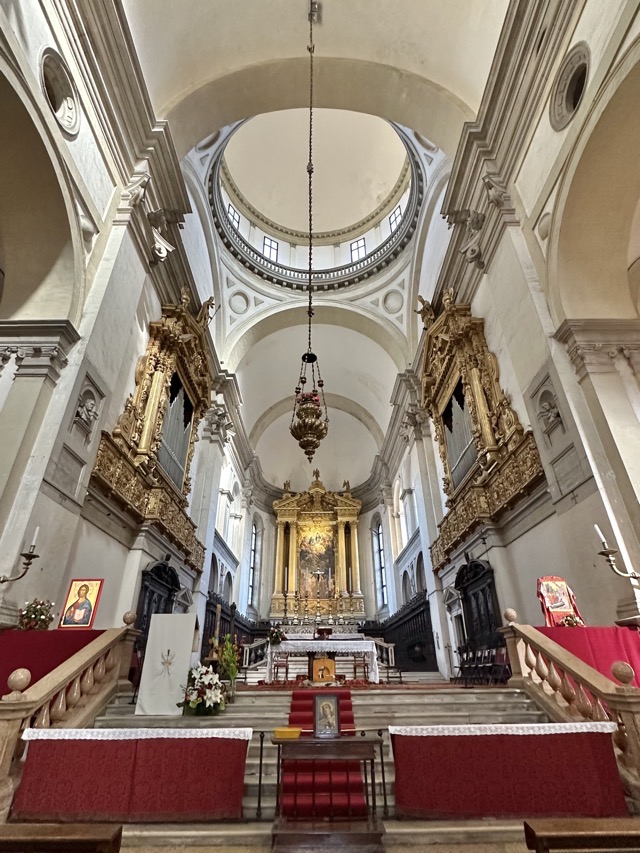
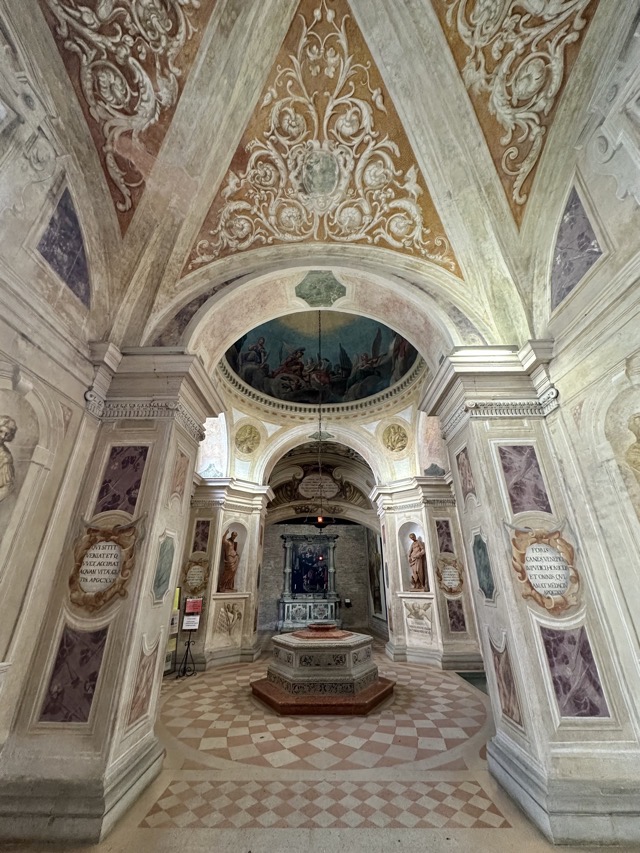
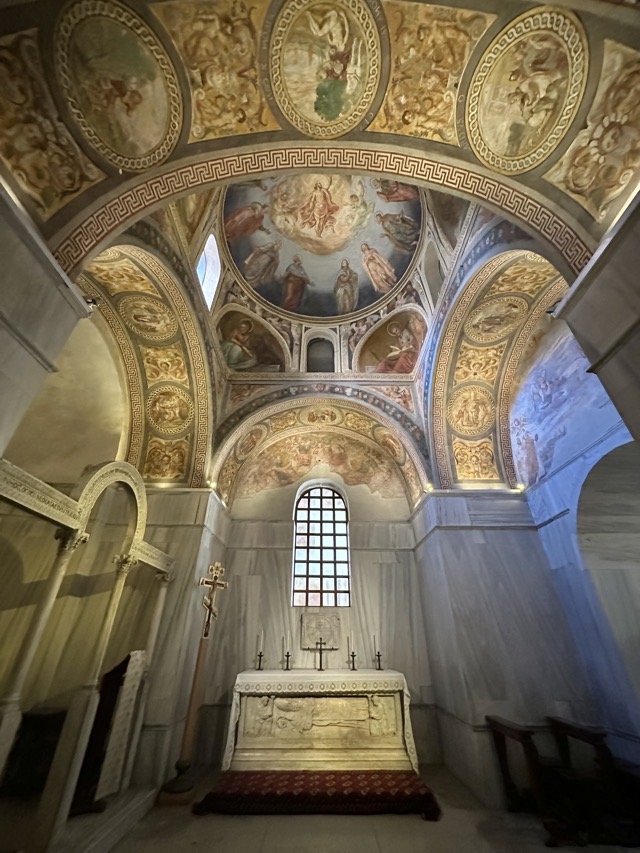
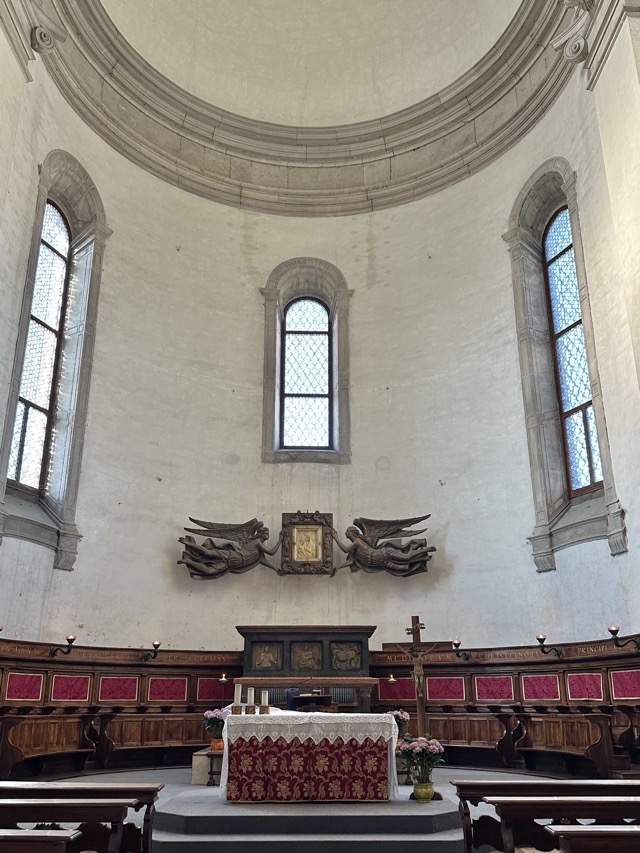
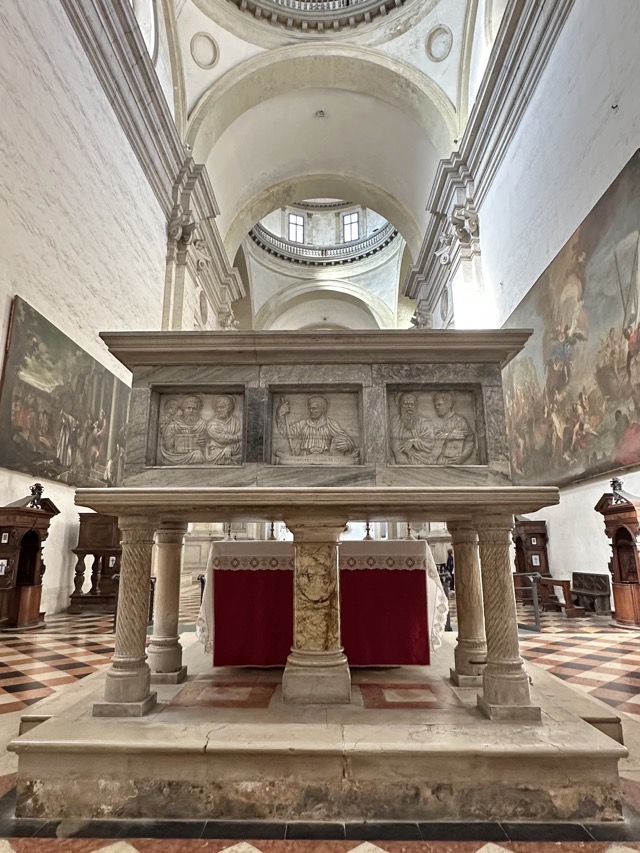
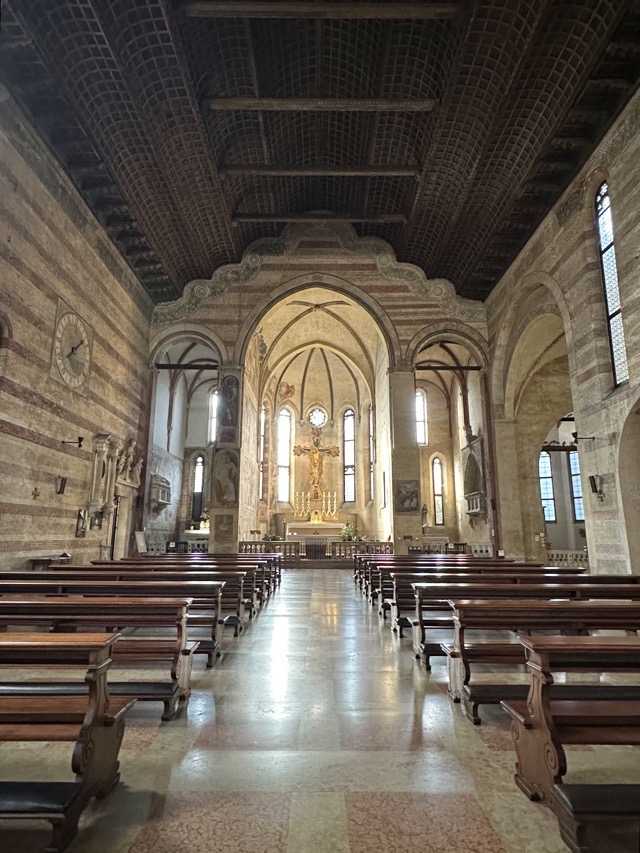
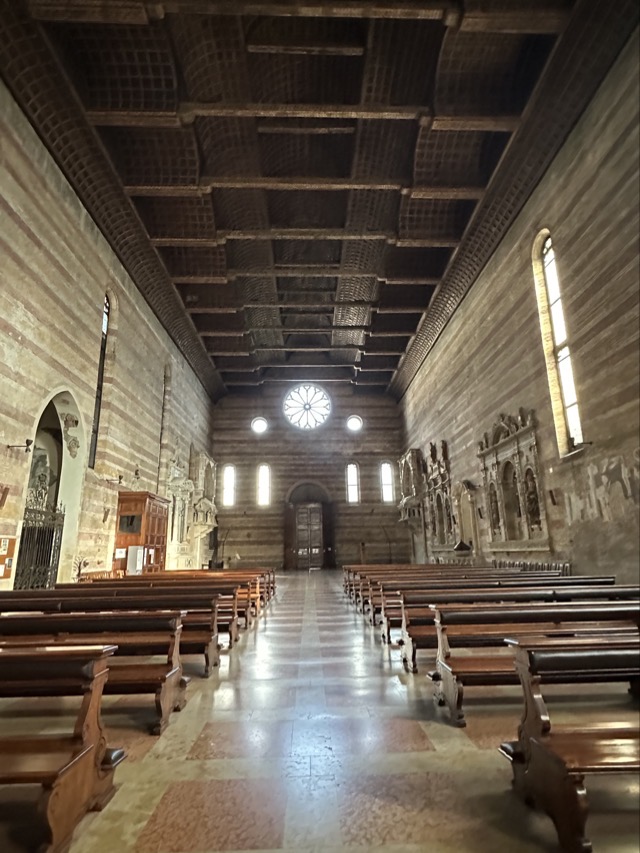
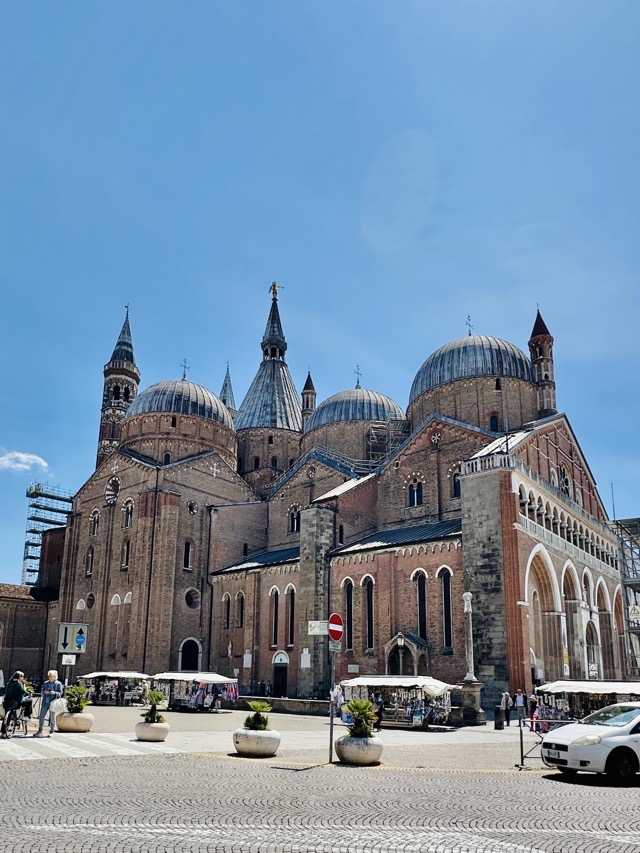
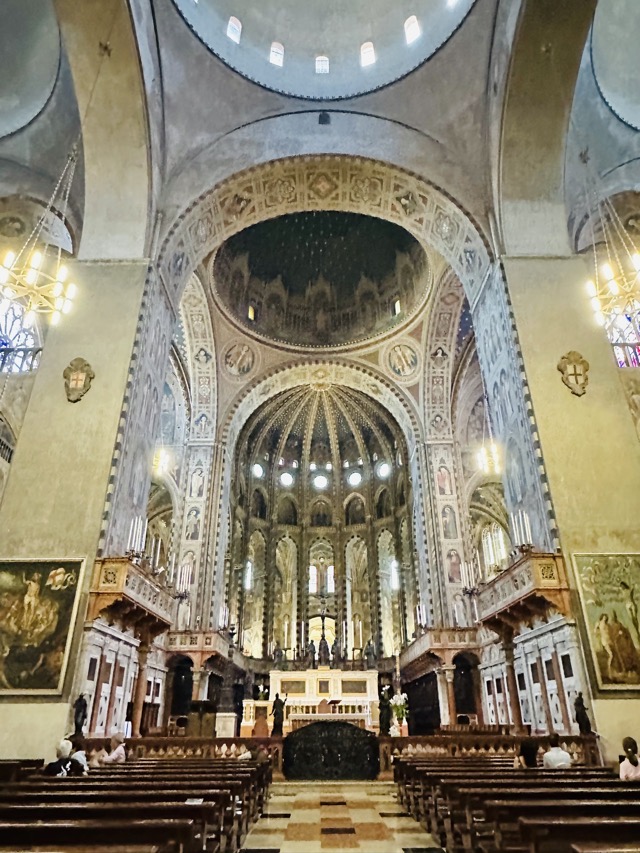
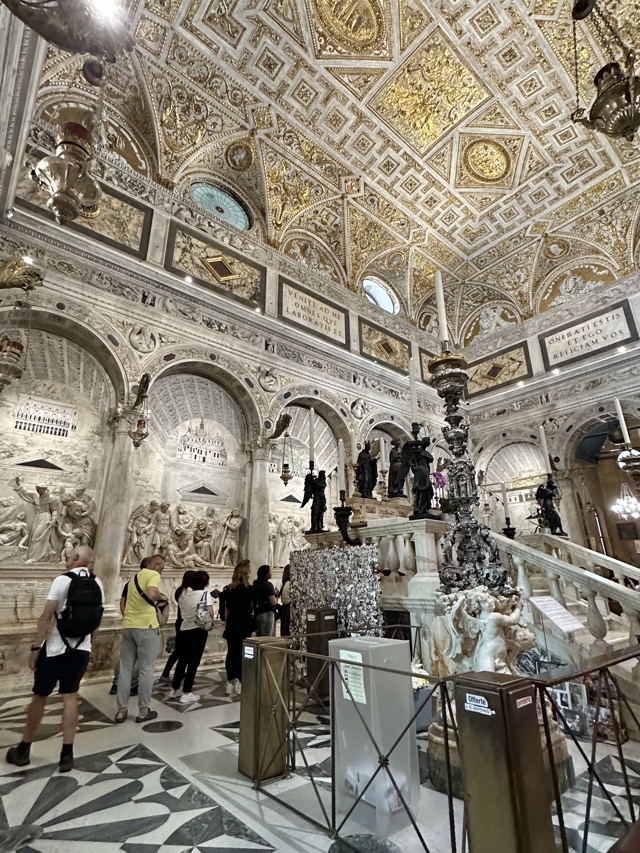
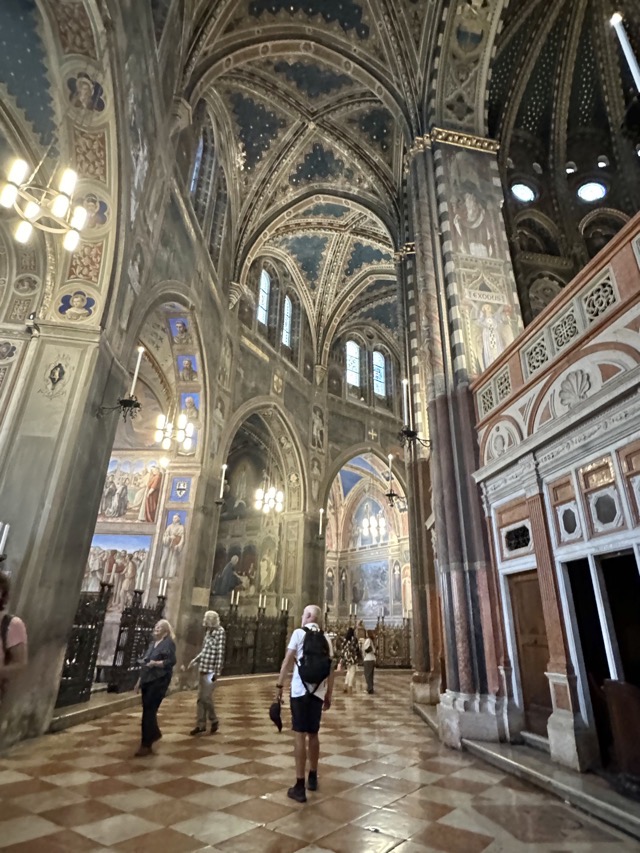
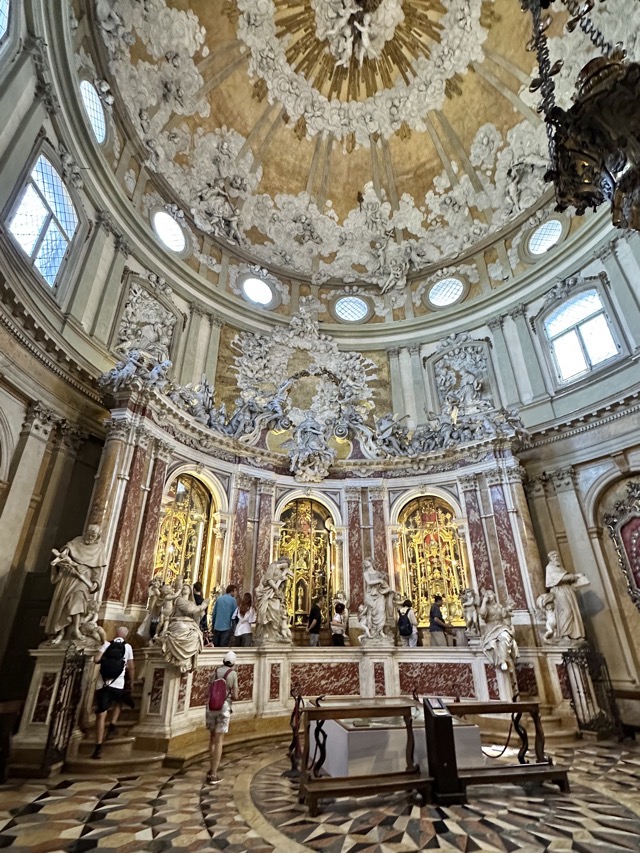
Our tour finished, after almost 3 hours, near the Basilica of Saint Anthony and, although we were both tired and wanting to sit down for a while, we went in to have a quick look before finding a spot for lunch. Apparently St Anthony wasn’t even from Padua and only lived there for the last few years of his life but he made enough of an impression on the townsfolk that they built this enormous and magnificent basilica for him on top of a church were he used to like to pray. Saint Anthony was originally from Lisbon and his name was Fernando!
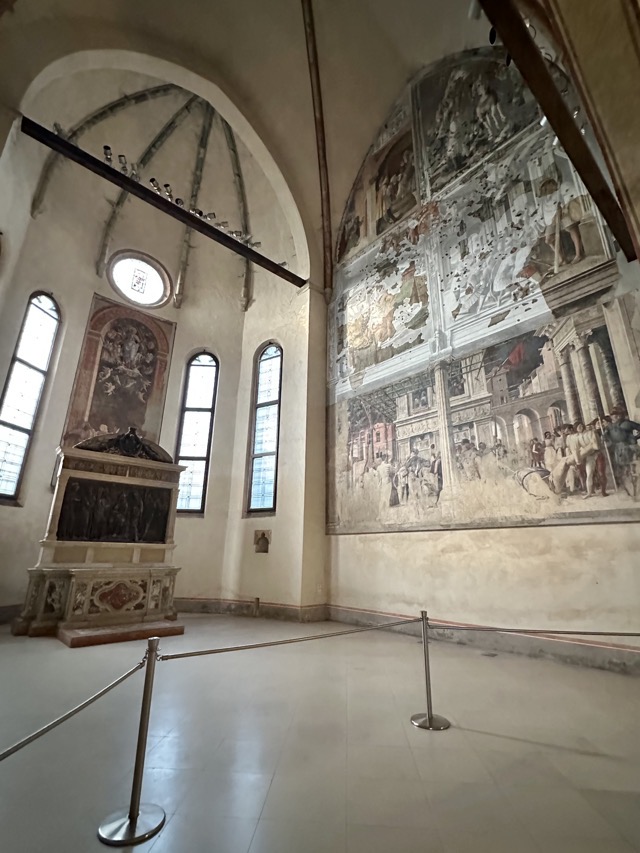
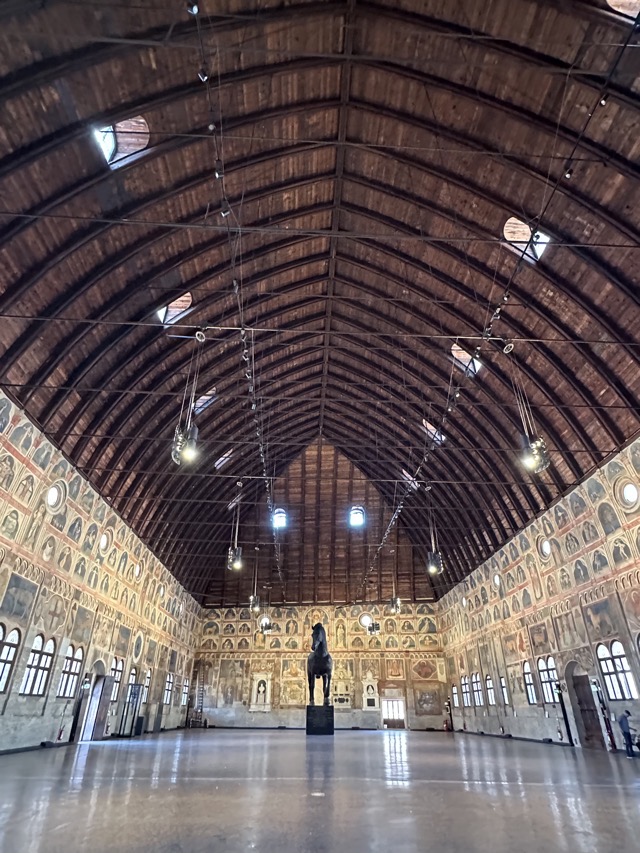
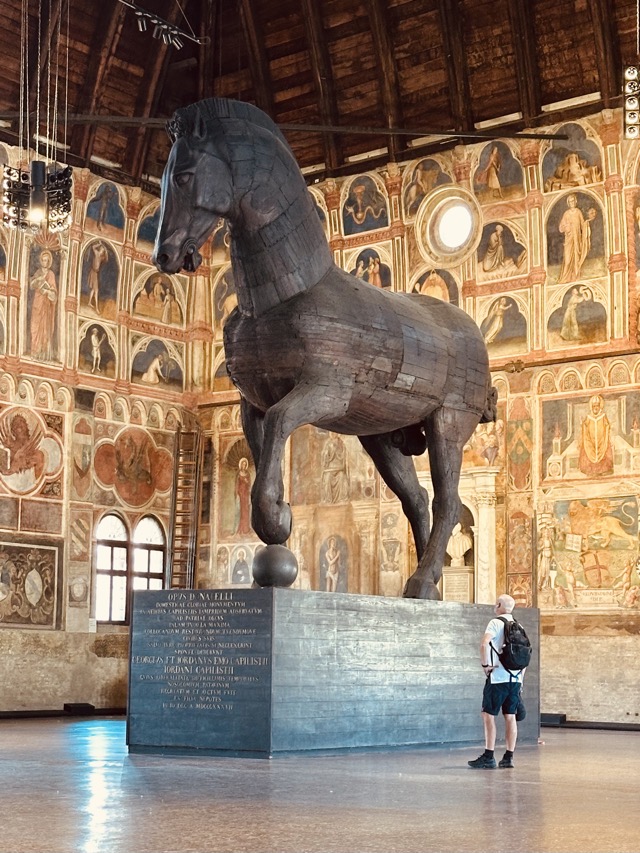
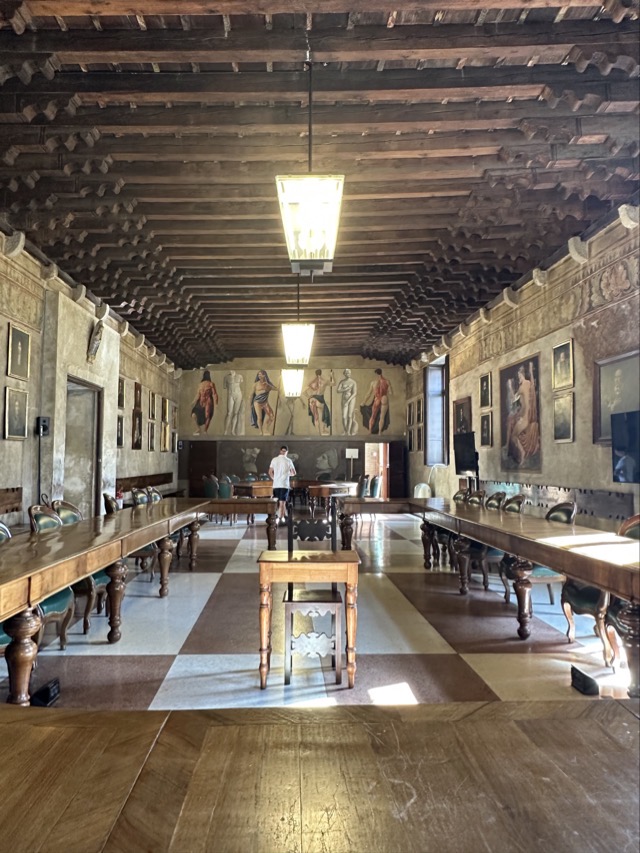
After lunch we visited the Palazzo della Ragione (Palace of Reason / Justice) that dated back to 1219 and featured a vast hall full of the most amazing frescoes originally painted by Giotto (1267-1337). Giotto is famous for revolutionizing medieval art by changing the style of images from being painted in a flat and stiff way to giving them more of a 3-D perspective and conveying emotion. This is a spectacularly beautiful building and well worth a visit if you’re ever in Padua. The visit only took about an hour and this then allowed us a bit of time to go back to the apartment to rest before our 4.30 pm visit to tour the Palazzo Bo (University of Padua).
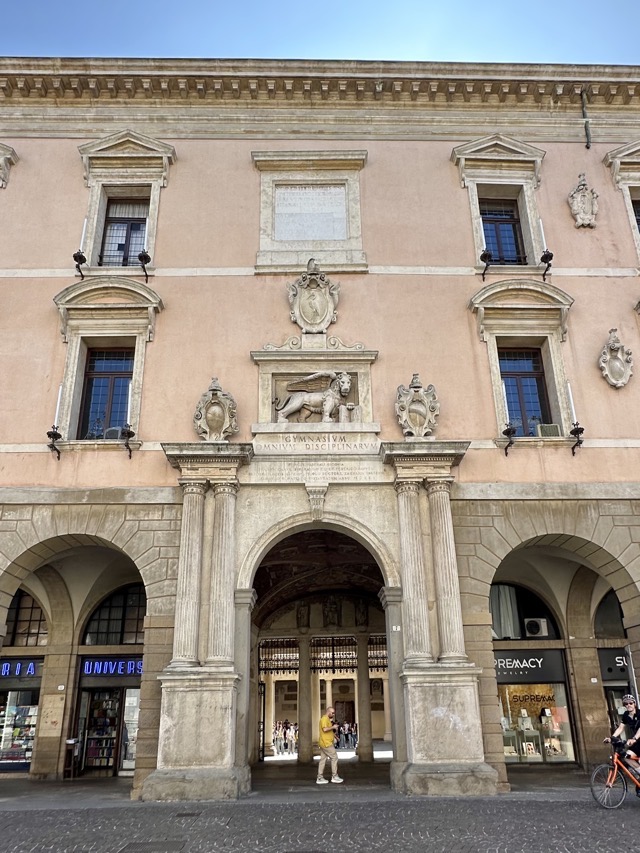
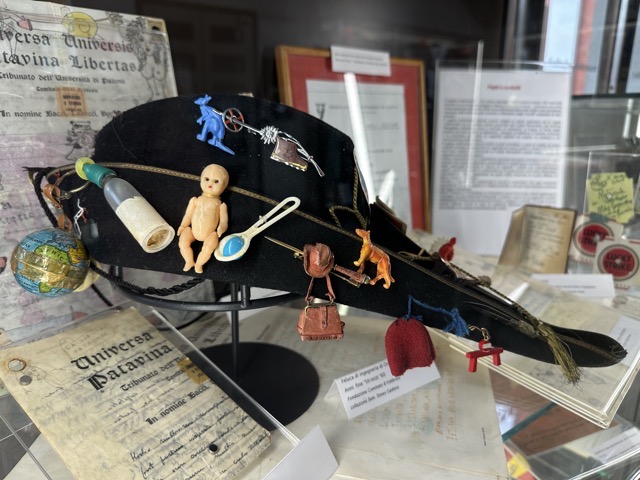
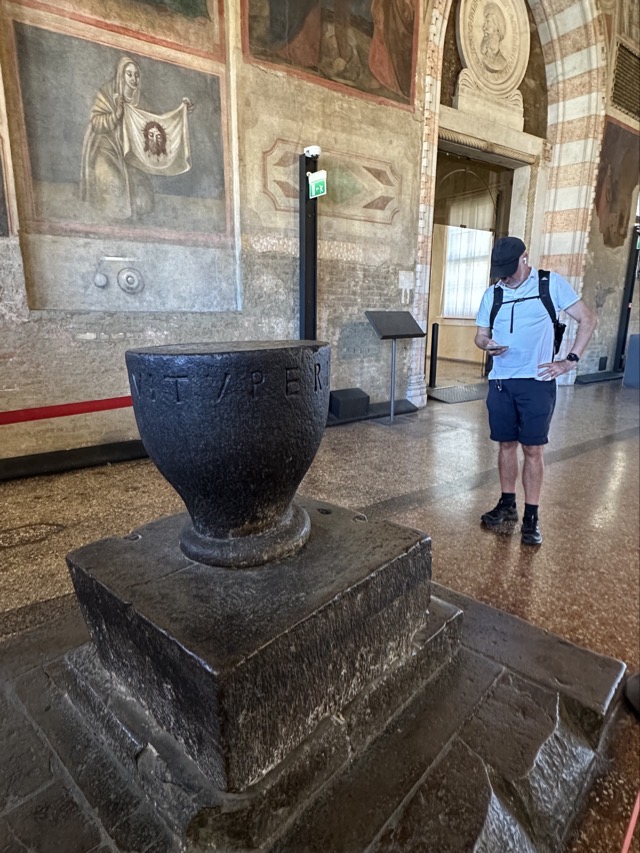
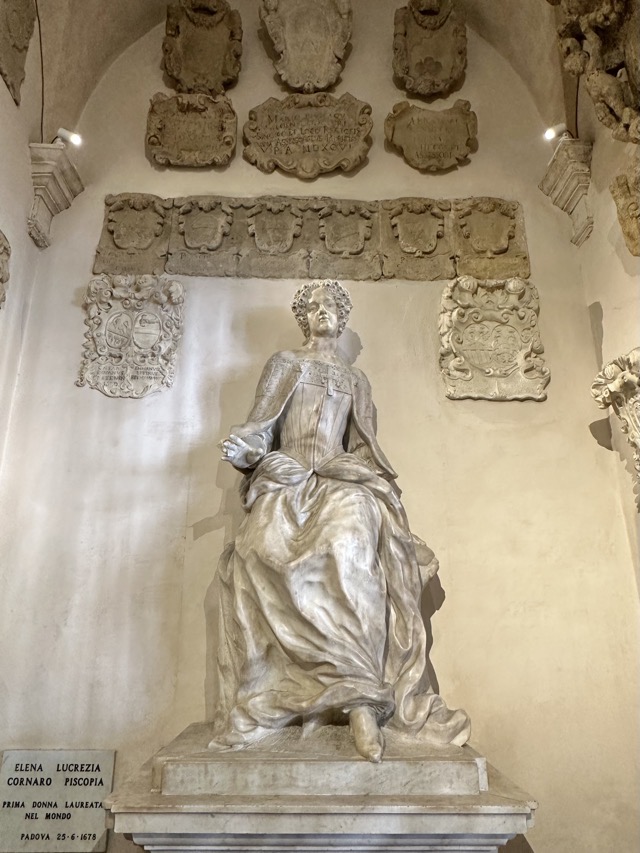
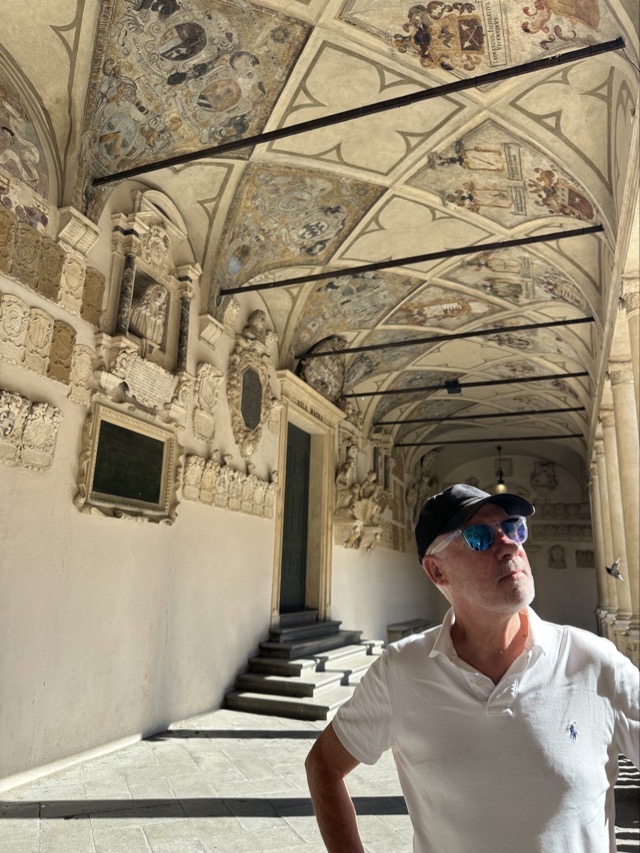
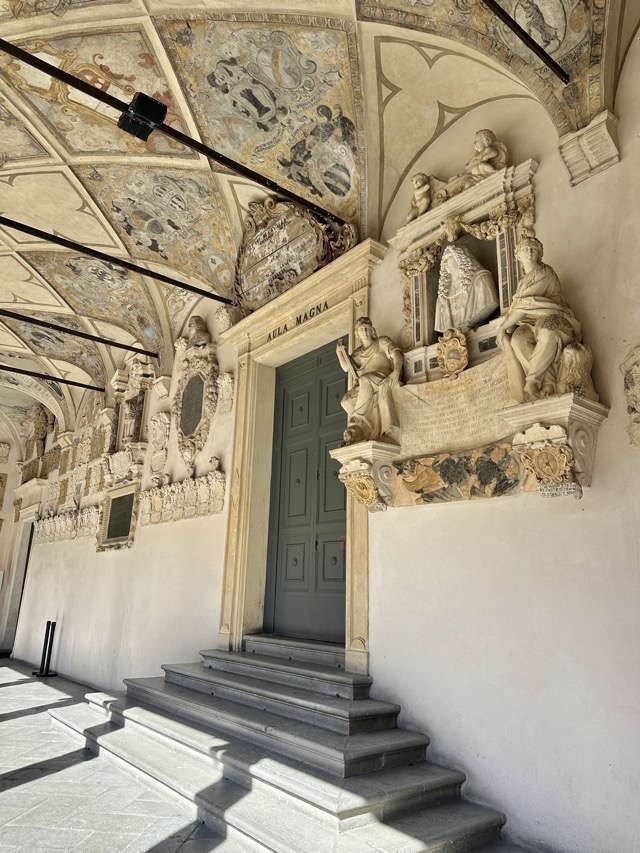
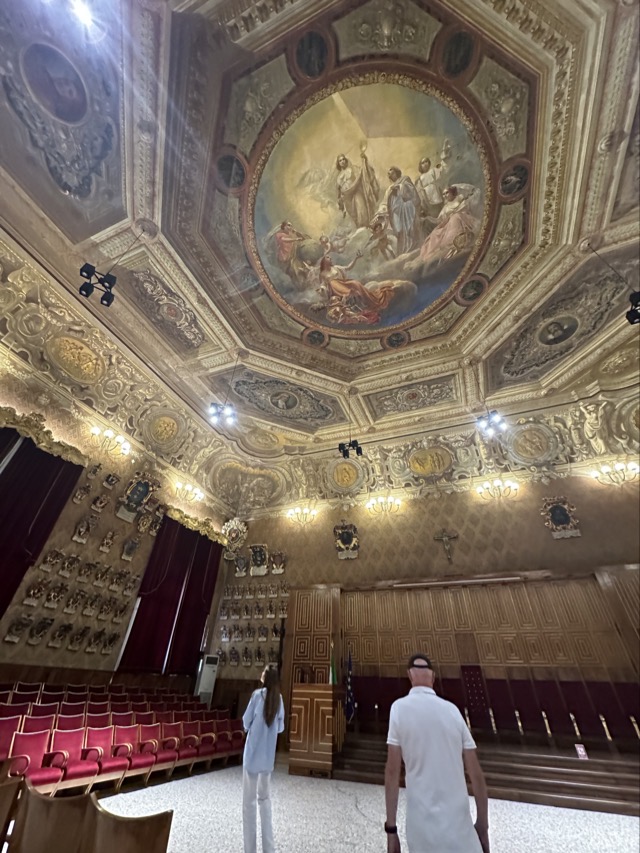
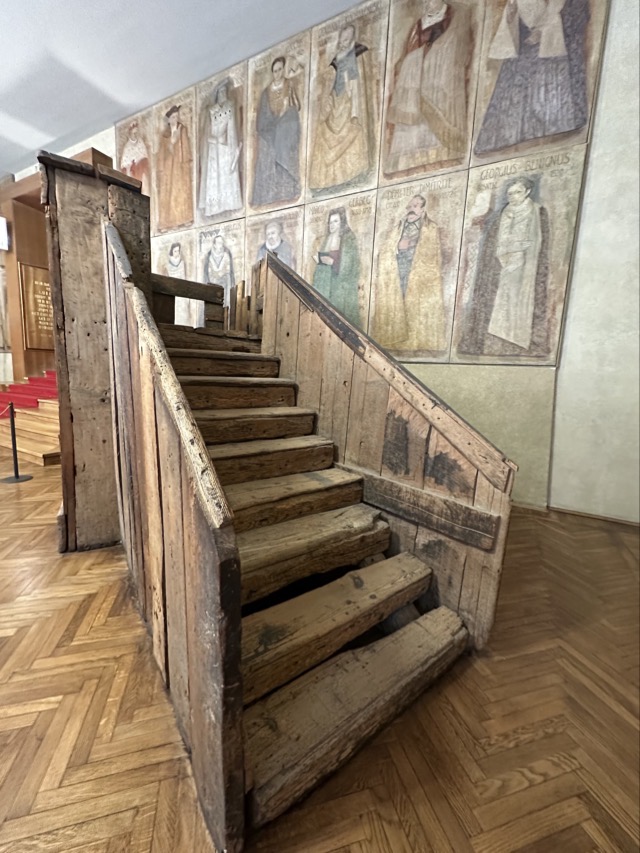
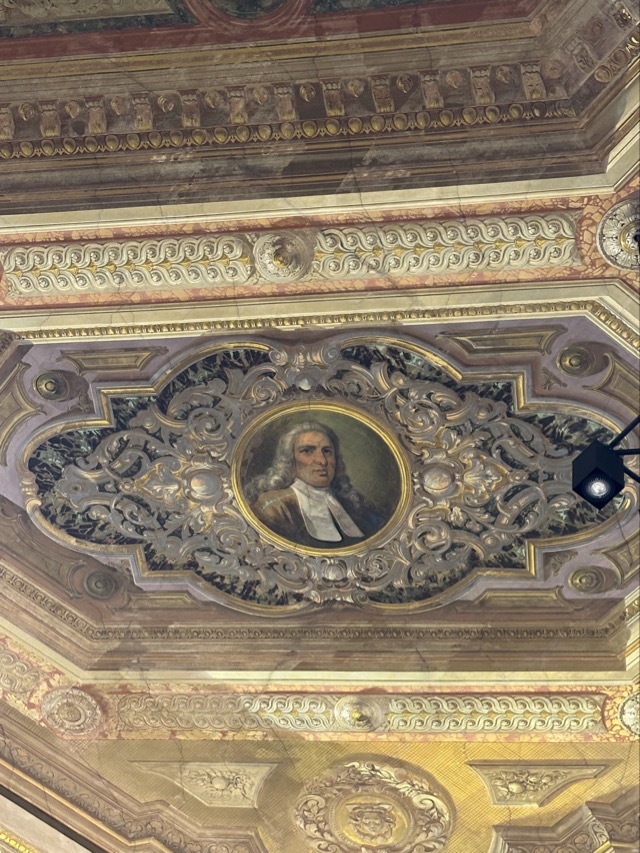
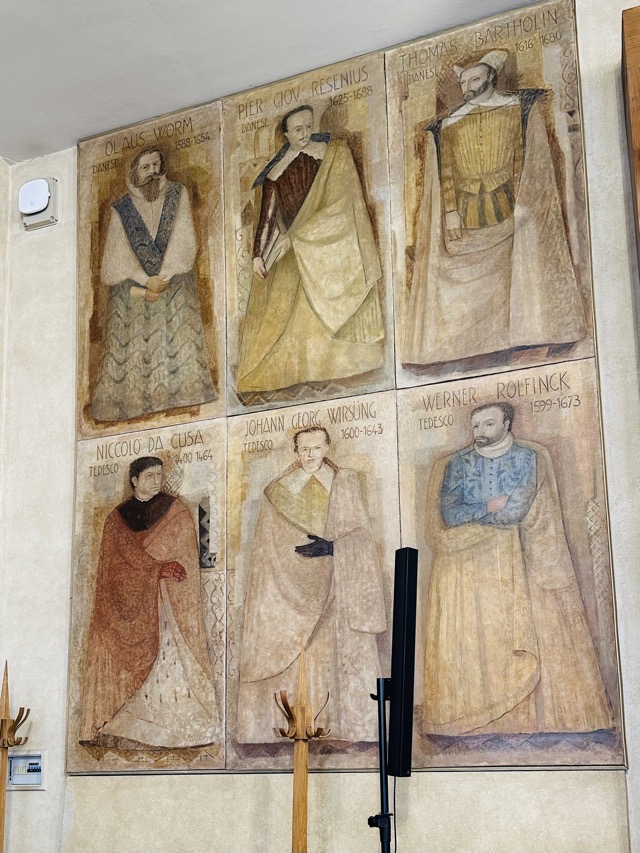
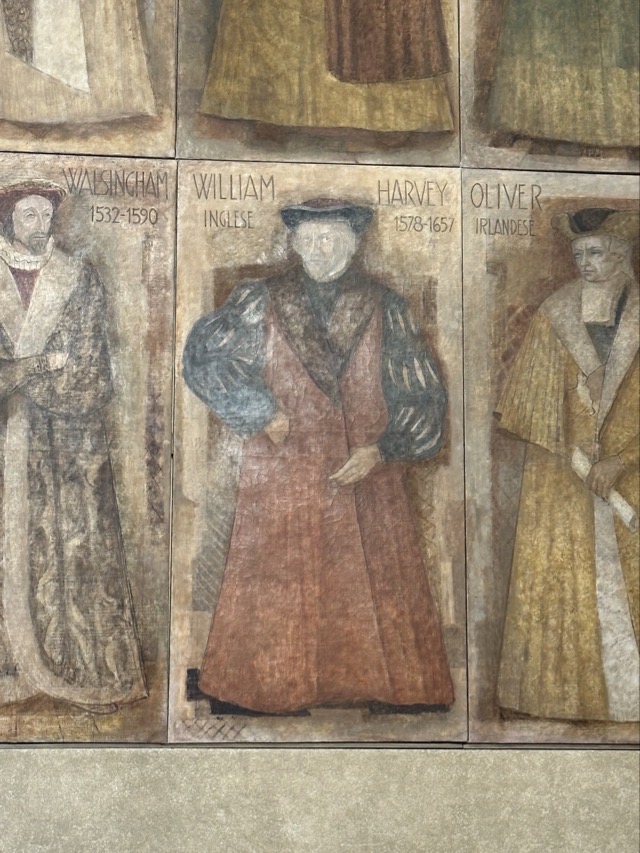
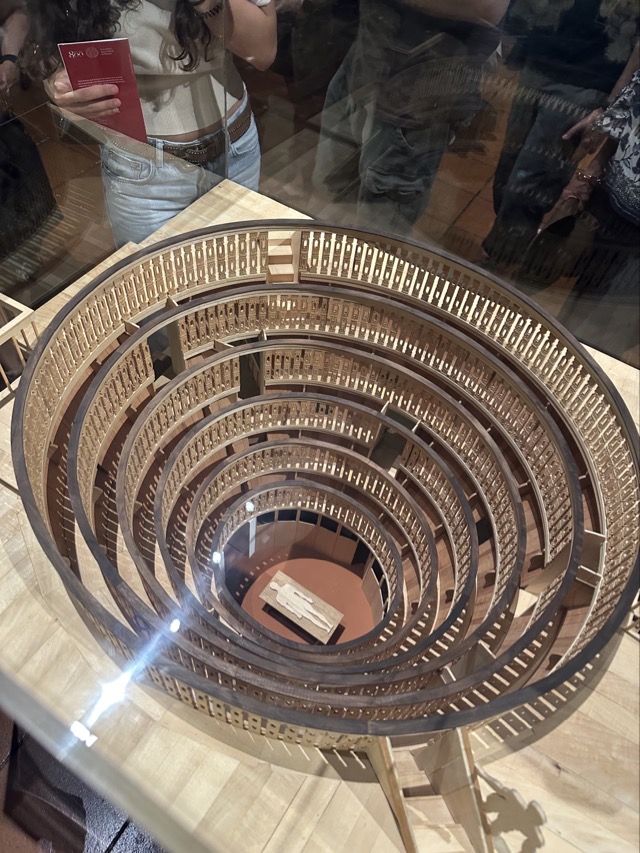
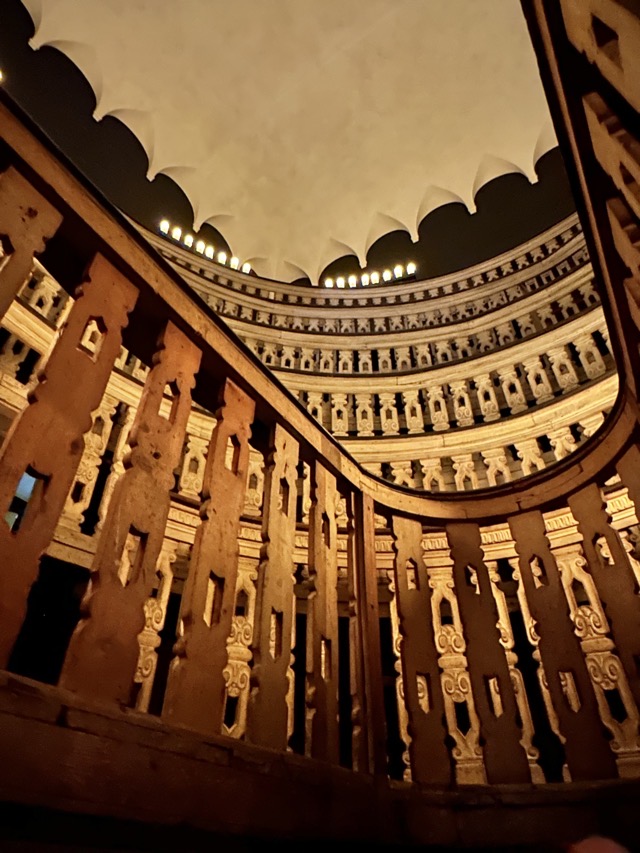
The guided tour of Palazzo Bo and the Anatomical Theatre (University of Padua) was only about 45’ long but it was very interesting. We got to see where Galileo lectured and to step inside the very first anatomical theatre; used for lecturing students. This university also graduated the first ever female and she had wanted to major in Theology but wasn’t allowed by the Catholic Church so she ended up majoring in Philosophy. It was to be over 50 years before another female would ever graduate from a University and that would be in Bologna. Palazzo Bo is steeped in such significant history that this is a ‘must do’ activity if you’re ever in Padua.
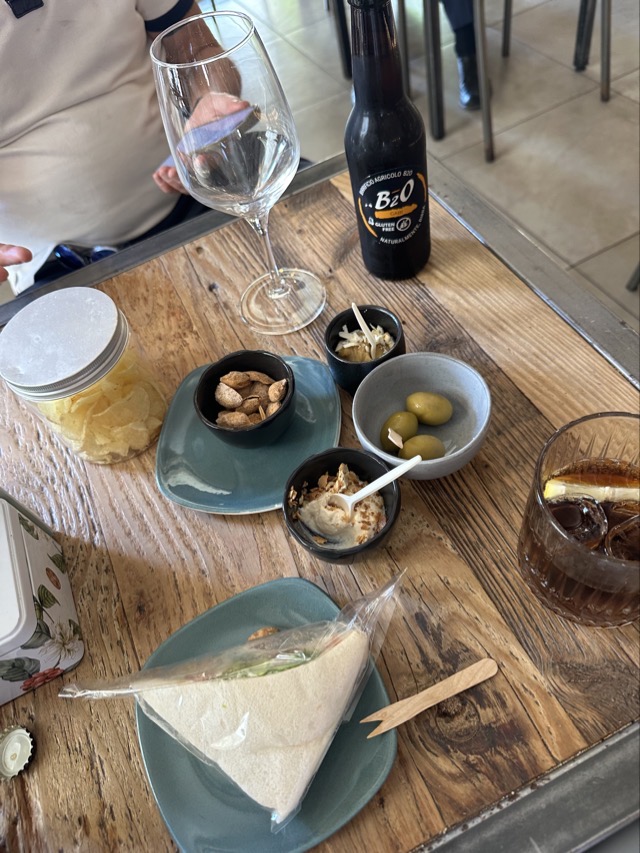
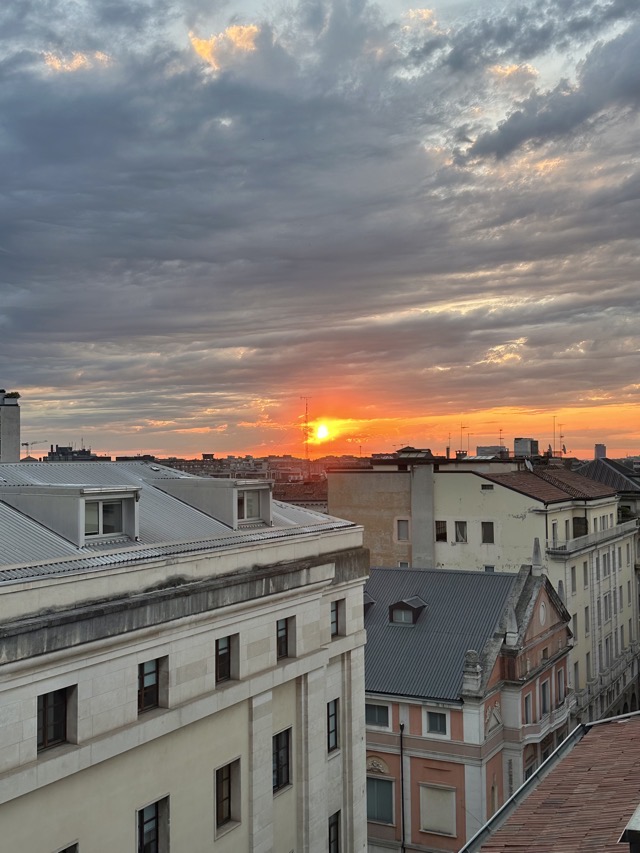
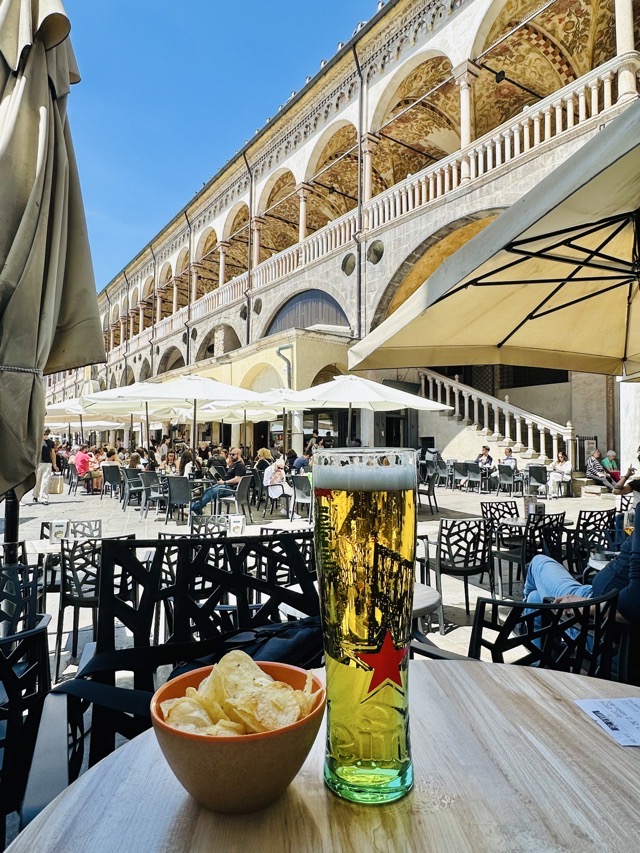
It was around 5.30 pm by the time we finished at Palazzo Bo and it was very hot; it seems the hottest part of the day here is nearer to 6 pm! So we went for an aperitivo before heading home for another night of dining in.
Sat 23rd May
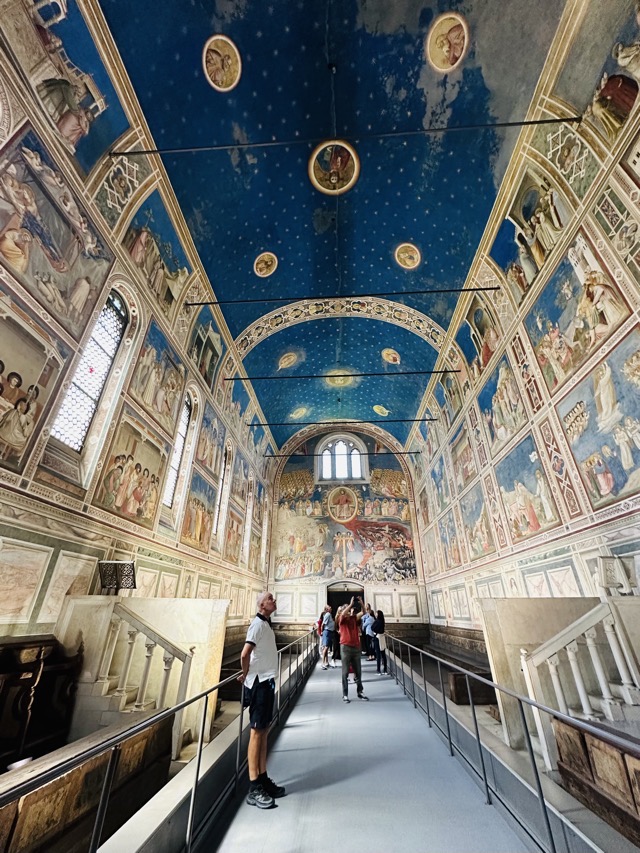
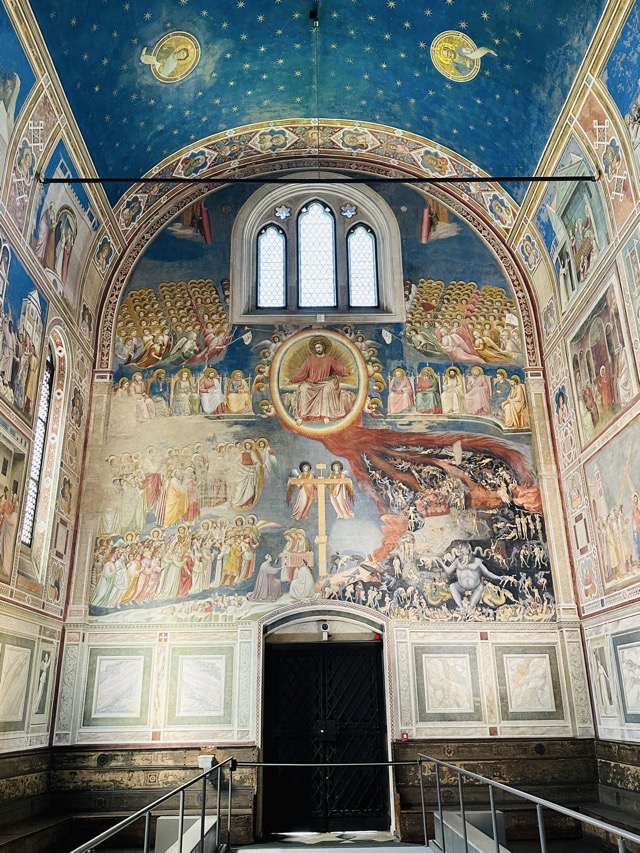
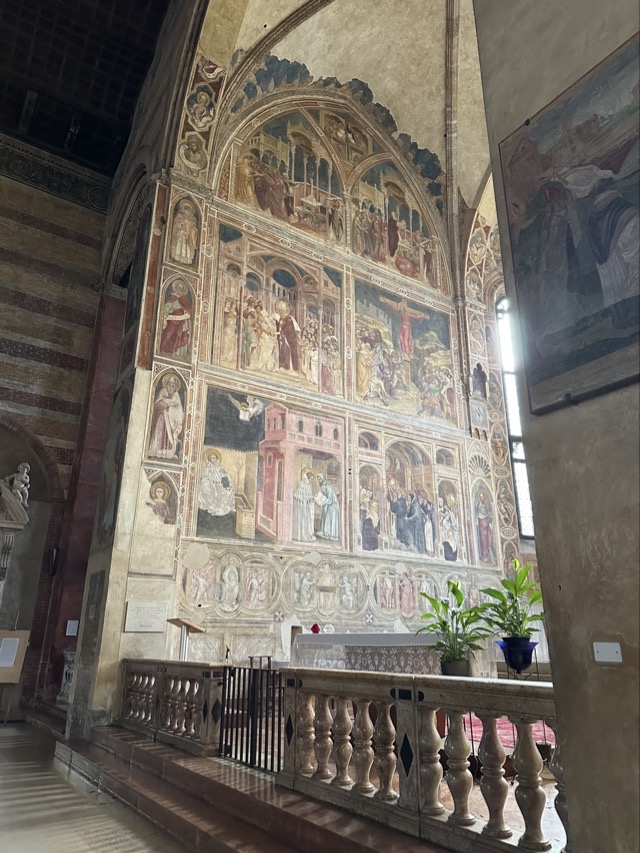
It was an even more glorious morning today as there wasn’t a cloud in the sky and it was shaping up to be a hot one with a forecast of 28 oC. Our first activity of the day was a visit to the Cappella degli Scrovegni e Musei Civici degli Eremitani. The Scrovegni Chapel is considered a very important monument in Padua as it houses the most complete set of frescoes, painted in the early 14th century, by the artist Giotto where he revolutionized art by adding dimensions of humanism and perspective to his work.The Scrovegni Chapel is not a place you just rock up to on the day hoping to purchase a ticket; these need to be purchased well in advance. The frescoes were amazing and I was glad we had made the time to factor in this visit.
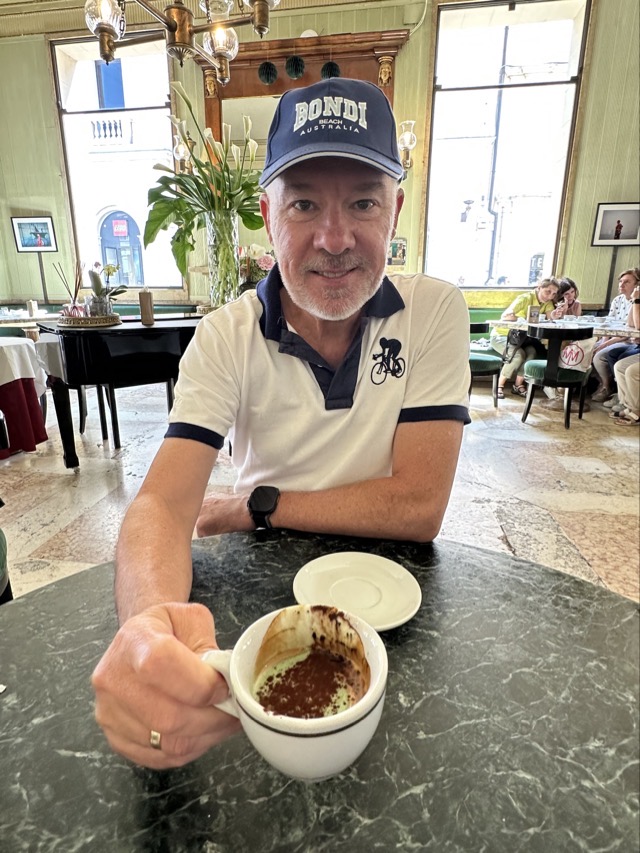
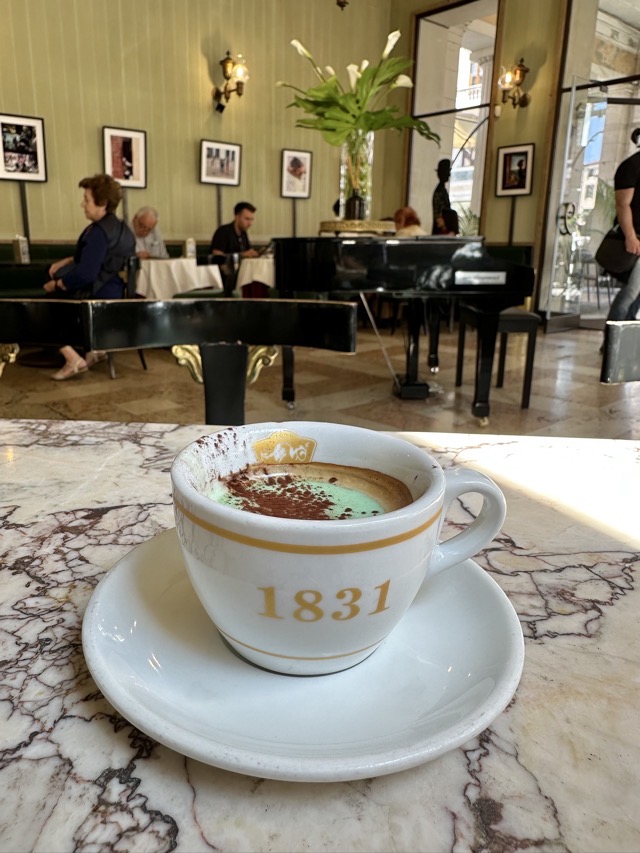
After the chapel visit we then went for another famous mint Cafe Pedrocchi and followed this up with a spot of browsing the shops before lunch. The last thing we had down on our list of things to do was a visit to the Muse of History of Medicine which we found interesting but, unless you’re quite interested in Science and Medicine, then I think you could give this particular museum a miss. After that we headed back to the apartment to sort our bags for the next leg of our journey to Venice. We were leaving most of our luggage, and Dagwood too, in a car park outside of Venice and taking just a few smaller luggage bags with us as we take the vaporetto (public water bus) around to our accommodation.
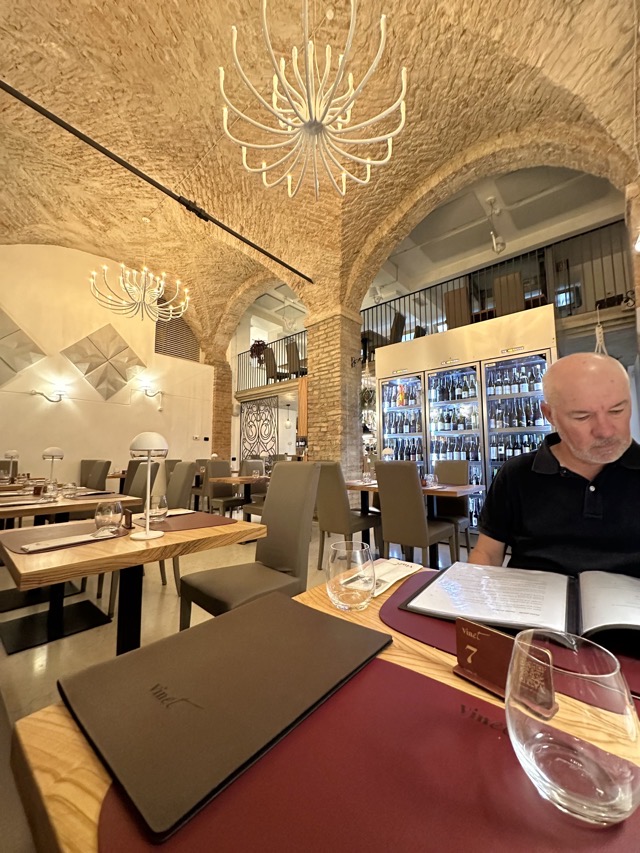
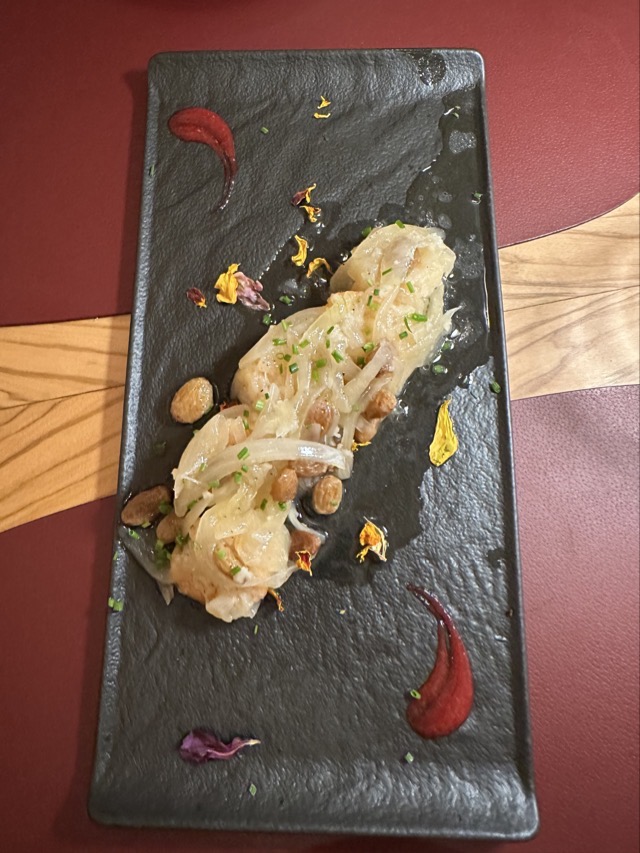
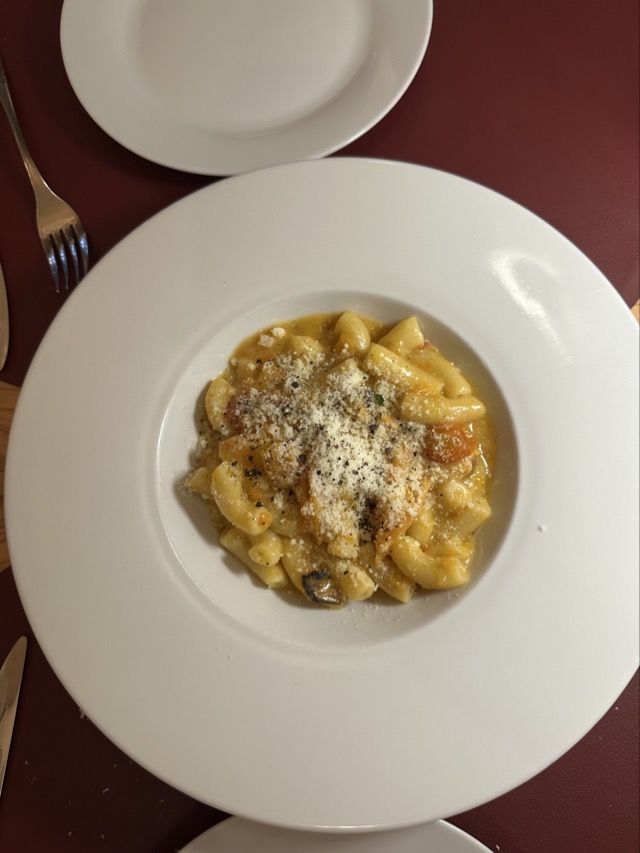
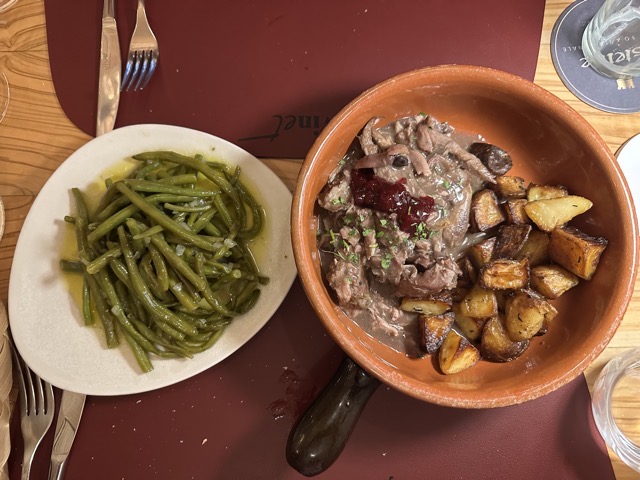
Our last outing in Padua was for dinner as I had booked Vinet for 7 pm. We were concerned on our arrival as we were the only two in the venue but it soon filled up and the food was delicious. It was nearing 8.30 pm by the time we walked home, but the streets was filled with people strolling about on this beautiful barmy evening; the outdoor cafes were full, the restaurants were buzzing, and the place had a most festive atmosphere. Padova is such a lovely city for strolling as it has the largest pedestrian zone of any city I can think of. It is a wonderful thriving living city. Most of the people we saw looked to locals, or Italian at least. There were more international tourists here than other places we’d been recently, but still not that many.
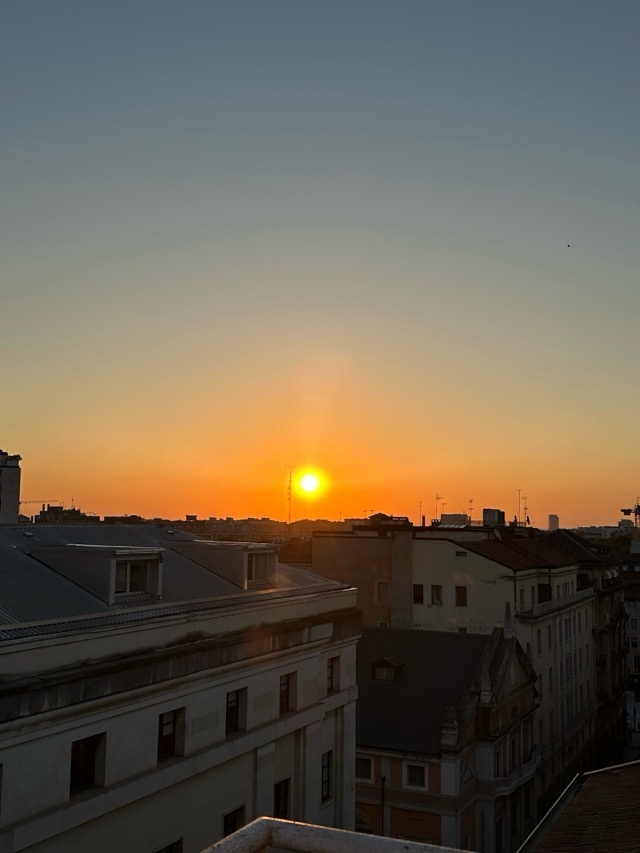
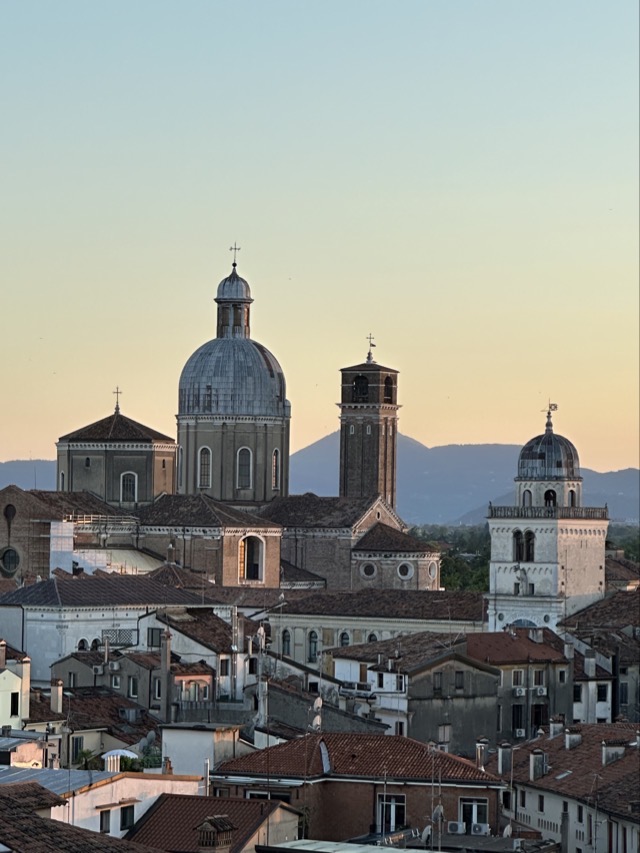
We had loved our short stay in Padua and this is definitely a city I consider worth adding to you ‘to do’ list. There is a lot of history packed into a rather small area and the terrain is quite flat so it’s very walkable and easy to explore on foot. Our apartment was a great fit for us and we loved all the space, natural light and the huge outdoor terrace. It was in an excellent location as well, being just a short walk to all of the major sights, cafes, bars and restaurants.